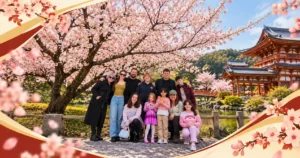
A first trip to Japan can feel exciting, but it can also feel like a lot to organise. Flights, hotels, bullet trains, language, food, luggage, weather, cherry blossoms, temples, theme parks, ski resorts. There is plenty to think about before you book.
This guide for first-time travellers explains how to plan Japan tours from Australia with less stress. You will learn when to go, how long to stay, which cities to include, how tour packages work, and what mistakes to avoid.
Japan suits many travel styles. You can follow the classic Golden Route through Tokyo, Mount Fuji, Kyoto and Osaka. You can add Hiroshima, Nara, Kanazawa, Takayama or Hokkaido. You can travel in spring for cherry blossoms, autumn for colour, winter for snow, or quieter months for better value.
The right tour helps you enjoy Japan without feeling rushed. That matters most on your first visit.
For more planning support, you can also explore our Japan travel guides before you compare packages.
Why do Japan tours from Australia make sense for first-time travellers?
Japan tours from Australia make sense because they remove many of the hard planning steps from your first trip. A good tour helps with route design, hotels, transport, timing, local experiences and cultural basics.
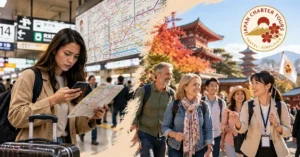
Japan has excellent public transport, but first-time travellers often underestimate how busy major stations can feel. Tokyo Station, Shinjuku Station, Kyoto Station and Osaka Station can confuse even confident travellers at first. Add luggage, jet lag and a tight itinerary, and a simple train transfer can become stressful.
A tour can help you:
- Follow a logical route
- Avoid overpacking the itinerary
- Use trains and transfers with more confidence
- Understand local customs before awkward moments happen
- See famous places without missing quieter highlights
- Balance free time with guided experiences
Travellers who want structure without joining a large crowd may prefer small group tours in Japan. This style works well for first-time visitors who want guidance, comfort and enough flexibility to enjoy the trip at a relaxed pace.
Japan also rewards good timing. Cherry blossom season, autumn colour, school holidays and major festivals can affect prices, crowds and hotel availability. A planned package can help you book earlier and avoid common first-timer mistakes.
What should Australians check before booking a Japan tour?
Australian travellers should check passport validity, visa rules, travel insurance, tour inclusions, physical pace, luggage arrangements and airport transfers before booking a Japan tour.
Smartraveller currently advises that Australians can visit Japan for short-stay tourism without a visa for up to 90 days. Entry rules can change, so travellers should always check the latest Japan travel advice for Australians before departure.
Your basic pre-booking checklist
Before you pay a deposit, check:
- Your passport has enough validity for your airline and entry requirements
- Your travel insurance covers medical care, cancellation and planned activities
- The package includes the cities you want to visit
- The itinerary allows enough free time
- The tour pace suits your fitness and travel style
- The price includes hotels, transfers, guides, meals and entry tickets clearly
- The airport arrival and departure points make sense
- The cancellation terms feel fair and clear
A cheap package can cost more later when it excludes key items. Always compare the full value, not just the headline price.
For common booking questions, visit our Japan tour FAQs.
What is the best route for a first Japan trip?
The best first Japan route usually includes Tokyo, Mount Fuji or Hakone, Kyoto and Osaka. Many travellers also add Nara or Hiroshima once they have enough days.
This route works well because it gives you a strong mix of modern Japan, traditional culture, food, scenery and history.
Popular first-time Japan route
| Stop | Best for | Suggested nights |
|---|---|---|
| Tokyo | City life, shopping, food, pop culture, day trips | 3 to 5 nights |
| Mount Fuji or Hakone | Scenic views, hot springs, slower pace | 1 to 2 nights |
| Kyoto | Temples, gardens, culture, old streets | 3 to 4 nights |
| Nara | Deer park, temples, easy day trip | Day trip |
| Osaka | Street food, nightlife, family attractions | 2 to 3 nights |
| Hiroshima and Miyajima | History, island views, deeper cultural context | 1 to 2 nights |
A 10 to 14 day trip gives first-time travellers enough time to enjoy Japan without racing from place to place. Shorter tours can still work, but they need tighter planning.
Travellers who want a deeper first-time experience can look at the 16-day unforgettable Japan tour for route inspiration.
How many days do you need for a first Japan tour?
Most first-time travellers from Australia should plan 10 to 14 days in Japan. This gives you enough time to recover from the flight, explore major cities, take day trips and move between regions without rushing.
A 7-day trip can work for Tokyo, Kyoto and Osaka, but it may feel fast. A 14-day itinerary gives you more room for Mount Fuji, Hiroshima, Nara or a regional stay.
Japan itinerary length guide
| Trip length | Best suited to | Route idea |
|---|---|---|
| 7 days | Short first visit | Tokyo, Kyoto, Osaka |
| 10 days | Balanced first trip | Tokyo, Mount Fuji, Kyoto, Osaka |
| 12 days | More relaxed pace | Tokyo, Hakone, Kyoto, Nara, Osaka |
| 14 days | Strong first-time package | Tokyo, Mount Fuji, Kyoto, Osaka, Hiroshima |
| 21 days | Deeper Japan experience | Add Hokkaido, Kanazawa, Takayama, Kyushu or Okinawa |
First-time travellers often try to see too much. Japan looks compact on a map, but every city deserves time. A slower route usually creates a better trip.
What is the best time to visit Japan from Australia?
The best time to visit Japan depends on what you want to experience. Spring and autumn attract the biggest crowds because the weather feels pleasant and the scenery looks beautiful. Winter suits snow trips. Summer works well for festivals, but it can feel hot and humid.
Japan seasons for Australian travellers
| Season | Months | Best for | Things to know |
|---|---|---|---|
| Spring | March to May | Cherry blossoms, mild weather, and gardens | Very popular, book early |
| Summer | June to August | Festivals, alpine areas, family holidays | Hot, humid and rainy in many areas |
| Autumn | September to November | Red leaves, temples, food, photography | Popular and often comfortable |
| Winter | December to February | Snow, skiing, onsen, fewer crowds in cities | Cold weather, snow transport planning needed |
Cherry blossom dates change each year. Tokyo and Kyoto often peak around late March to early April, but nature does not follow fixed travel dates. Autumn colour also moves by region and altitude.
Spring travellers can explore our spring season group tours Japan page or view the 7-day spring season tour.
Autumn travellers may like the 7-day autumn Golden Route, while winter travellers can compare the 7-day winter Golden Route or the 9-day private ski tour.
For destination ideas and seasonal travel information, the official Japan travel information site can also help.
Are Japan tour packages from Australia worth it?
Japan tour packages from Australia can offer strong value when they save time, reduce planning stress and include the right experiences. They suit first-time travellers, families, older travellers, small groups and anyone who wants local guidance.
A package can include flights, hotels, transport, guided sightseeing, meals, day trips and support. Some packages include international flights from Australia, while others start after arrival in Japan. Always check this carefully.
Package tour vs independent travel
| Option | Best for | Pros | Watch out for |
|---|---|---|---|
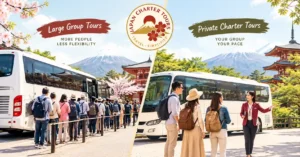
| Group tour | First-timers who want structure | Easy planning, guide support, and social feel | Less flexibility |
| Private tour | Families, couples, small groups | Flexible pace, personal route, more comfort | Higher cost |
| Self-guided package | Confident travellers | More freedom, some support | You handle more logistics |
| Fully independent trip | Experienced travellers | Maximum control | More planning pressure |
Families, couples and private groups can explore private charter tours in Japan for a more flexible pace.
The best choice depends on your confidence, budget and travel style.
What should a good Japan tour package include?
A good Japan tour package should clearly explain the route, hotel standard, transport, guides, meals, entry fees, luggage support and free time. Clear inclusions matter because Japan trips often involve multiple cities.
Look for a package that includes:
- Airport arrival support or clear instructions
- Hotels near useful train stations
- Bullet train or intercity transport details
- Local guides in major cities
- A realistic daily schedule
- Enough free time for food, shopping and rest
- Optional upgrades or add-ons
- Emergency contact support
- Clear luggage forwarding guidance
A strong package should not fill every hour. Japan works best when you have time to wander through a market, sit in a garden, explore a laneway or enjoy dinner without rushing.
For practical advice before booking, read our guide on tips for private charter tours.
Which cities should first-time travellers include?

First-time travellers should include Tokyo and Kyoto at a minimum. Osaka, Nara, Mount Fuji and Hiroshima add more variety and depth.
You can also read our guide to the top destinations on a private Japan charter tour for more ideas.
Tokyo
Tokyo gives first-time travellers a powerful first impression. You can explore Shibuya, Shinjuku, Asakusa, Harajuku, Ginza, Akihabara and digital art spaces. The city mixes temples, neon streets, food halls, quiet parks and excellent shopping.
Tokyo also works well for day trips to Nikko, Kamakura, Yokohama or Mount Fuji viewing areas.
Kyoto
Kyoto brings temples, gardens, tea houses, bamboo groves and traditional streets into the trip. Popular areas include Gion, Arashiyama, Fushimi Inari, Kiyomizu-dera and Nishiki Market.
Crowds can feel heavy at famous sites. Early starts, quieter districts and guided timing can make a big difference.
Osaka
Osaka suits food lovers. Dotonbori, Kuromon Market, Shinsekai and Namba give travellers a lively taste of local dining. Osaka also works well for Universal Studios Japan and has easy transport to Kyoto, Nara and Kobe.
Nara
Nara makes an easy day trip from Kyoto or Osaka. Travellers visit Todai-ji Temple, Nara Park and Kasuga Taisha. The deer make the city famous, but the temples give the day real cultural weight.
Hiroshima and Miyajima
Hiroshima adds history and reflection. Miyajima adds one of Japan’s most beautiful island experiences, with Itsukushima Shrine and views across the Seto Inland Sea.
Mount Fuji and Hakone
Mount Fuji does not always appear clearly, even when you plan well. The weather controls the view. Hakone gives travellers hot springs, lake scenery, ropeways and a slower break between Tokyo and Kyoto.
How much should Australians budget for a Japan tour?
Australian travellers should budget based on season, hotel level, route, tour type and inclusions. Japan can suit mid-range travellers, but peak seasons can raise costs quickly.
Your main costs usually include:
- International flights
- Accommodation
- Intercity trains
- Local transport
- Meals
- Entry tickets
- Travel insurance
- Pocket Wi-Fi or eSIM
- Luggage forwarding
- Shopping and personal spending
A group package may look higher upfront, but it may include hotels, transport, guides and some meals. A self-planned trip may look cheaper at first, then rise once you add train tickets, tours, transfers and peak-season hotel rates.
Ask for a full inclusion list before you compare packages.
Should you buy a Japan Rail Pass?
A Japan Rail Pass can help on some multi-city trips, but it does not suit every itinerary. First-time travellers should compare the pass cost against individual train tickets before buying.
The pass often makes more sense for longer routes with several Shinkansen trips. It may not pay off for a simple Tokyo, Kyoto and Osaka itinerary, especially when you travel one way and fly home from Osaka.
You can check the current details on the official Japan Rail Pass information website.
A guided tour or package provider can help you choose between:
- Individual train tickets
- Regional rail passes
- A national Japan Rail Pass
- Domestic flights
- Private transfers for selected routes
The best choice depends on your exact route, not a general rule.
What cultural tips should first-time travellers know?

First-time travellers should learn a few simple customs before arriving in Japan. Respect matters, and small efforts make the trip smoother.
Useful cultural tips include:
- Stand to one side on escalators and follow local flow
- Keep phone calls quiet on trains
- Carry rubbish until you find a bin
- Avoid eating while walking in many public areas
- Queue neatly for trains, shops and attractions
- Carry cash for smaller restaurants, temples and local shops
- Learn simple phrases such as arigatou gozaimasu and sumimasen
- Remove shoes where signs or hosts ask you to
- Check onsen rules before entering hot springs
Japan does not expect visitors to know everything. People usually appreciate quiet, respectful behaviour and a genuine effort.
First-time visitors should also read our guide to Japanese etiquette for first-time visitors before departure.
What common mistakes should first-time travellers avoid?
First-time travellers often make the same planning mistakes. Most come from trying to do too much.
Our beginner’s guide to Japan also covers helpful basics for new visitors.
Mistake 1: Packing too many cities into one trip
A busy itinerary can look exciting on paper. In real life, it can feel tiring. Train stations, hotel check-ins and luggage transfers take time.
Mistake 2: Booking hotels far from transport
A cheaper hotel can cost you time every day. Stay near useful train or metro stations, especially in Tokyo, Kyoto and Osaka.
Mistake 3: Ignoring luggage logistics
Large suitcases can make train travel harder. Many travellers use luggage forwarding between cities. This gives you easier station transfers and less stress on travel days.
Mistake 4: Expecting every restaurant to take cards
Japan accepts cards in many places, but cash still helps in smaller venues, markets, temples and rural areas.
Mistake 5: Leaving peak dates too late
Spring, autumn, ski season and school holidays can book out early. Flights and hotels can rise sharply as dates fill.
Mistake 6: Treating Japan like one city
Japan changes by region. Tokyo, Kyoto, Osaka, Hiroshima, Hokkaido and Okinawa all feel different. A good itinerary lets you experience more than the obvious postcard version.
What should families know about Japan tours from Australia?
Families should choose Japan tours with sensible pacing, central hotels, easy transport and enough downtime. Japan works beautifully for families, but long days can tire children quickly.
Family-friendly ideas include:
- Tokyo Disneyland or DisneySea
- Universal Studios Japan in Osaka
- Nara Park
- Digital art attractions
- Samurai or ninja experiences
- Food markets
- Bullet train journeys
- Snow play in winter
- Aquarium or museum visits
Families should also check room sizes. Japanese hotel rooms can feel smaller than Australian travellers expect. Connecting rooms, triple rooms and family rooms need early booking.
A private tour can help families slow the pace, choose suitable stops and reduce transport stress. Learn more about why choose a private charter tour for exploring Japan.
What should older travellers consider before booking?
Older travellers should check walking distances, hotel access, luggage handling, meal flexibility and daily pace before booking a tour. Japan involves stairs, stations and full days of sightseeing, so comfort matters.
A good tour should explain:
- Average walking time each day
- Whether hotels have lifts
- How luggage moves between cities
- Whether buses or private transfers replace long walks
- How much free time does the itinerary allow
- Whether dietary needs can be managed
Private and small-group tours often suit travellers who want more comfort and flexibility.
How can travellers avoid crowds in Japan?
Travellers can avoid the worst crowds by starting early, staying longer in each city, visiting lesser-known areas and choosing guides who know quieter timing.
Popular places like Fushimi Inari, Arashiyama, Shibuya, Kiyomizu-dera and Dotonbori can feel packed during peak hours. The answer is not to skip them. The answer is to plan smarter.
Try:
- Visiting famous sites early in the morning or later in the day
- Exploring quieter neighbourhoods after major attractions
- Adding regional towns to the itinerary
- Travelling outside peak festival dates where possible
- Booking restaurants and key attractions ahead
- Using private transport for selected hard-to-reach places
Japan’s quieter details often become the most memorable parts of the trip.
For a feel of the places and experiences you may want to include, browse our Japan tour gallery.
Sample 12-day Japan tour itinerary for first-time travellers
A 12-day Japan tour gives first-time travellers a strong mix of big cities, culture, food and scenery.
Day 1: Fly from Australia to Tokyo
Arrive in Tokyo and settle into your hotel. Keep the first evening simple with dinner nearby.
Day 2: Explore old and modern Tokyo
Visit Asakusa, Senso-ji Temple, Tokyo Skytree area and Shibuya. Enjoy a guided introduction to trains, food and local etiquette.
Day 3: Tokyo neighbourhoods
Explore Harajuku, Meiji Shrine, Shinjuku and a local food area. Add free time for shopping or a themed café.
Day 4: Day trip to Mount Fuji or Hakone
Travel towards Mount Fuji or Hakone for lake views, hot springs or mountain scenery. Weather can affect Fuji visibility, so enjoy the region itself.
Day 5: Tokyo to Kyoto by Shinkansen
Take the bullet train to Kyoto. Spend the afternoon around Nishiki Market or Gion.
Day 6: Kyoto temples and gardens
Visit Kiyomizu-dera, traditional streets and a garden or tea experience. Start early to avoid the busiest hours.
Day 7: Arashiyama and western Kyoto
See the bamboo grove, river area and nearby temples. Add a quieter local lunch stop.
Day 8: Nara day trip
Visit Todai-ji Temple, Nara Park and Kasuga Taisha. Return to Kyoto or continue to Osaka.
Day 9: Osaka food and city life
Explore Osaka Castle, Kuromon Market, Dotonbori and Namba. Try takoyaki or okonomiyaki.
Day 10: Hiroshima and Miyajima
Travel to Hiroshima for the Peace Memorial Park, then visit Miyajima for island scenery.
Day 11: Return to Osaka
Enjoy free time for shopping, food or an optional Universal Studios Japan.
Day 12: Fly home from Osaka or return to Tokyo
Depart from Kansai International Airport or take the train back to Tokyo for your flight home.
Ready-made departures can help you compare routes and seasons. View our upcoming Japan trips for current options.
How should you choose the right Japan tour package?
The right Japan tour package should match your dates, budget, pace, interests and comfort level. Do not choose only by price. Choose by fit.
Ask these questions before booking:
- Does the route suit first-time travellers?
- Does the package include flights from Australia?
- Which hotels does the tour use?
- How close are hotels to stations?
- How many meals does the package include?
- Does the tour include bullet train tickets?
- Will a guide travel with the group or meet locally?
- How much free time do travellers get?
- What optional tours cost extra?
- How does the operator support travellers during the trip?
A clear answer now can prevent frustration later.
You can also check the official Japan entry procedures before travel, especially close to your departure date.
Why book with a Japan tour specialist?
A Japan tour specialist can help you turn a long wish list into a realistic trip. First-time travellers often know the places they want to see, but they need help with timing, flow and practical details.
A specialist can help with:
- Seasonal planning
- Route design
- Hotel locations
- Group or private tour options
- Cultural experiences
-
Transport choices
- Regional add-ons
- Family or senior-friendly pacing
- Cherry blossom, autumn or snow planning
Good planning creates a calmer trip. You still get the excitement of Japan, but you avoid the guesswork that can make first visits harder than they need to be.
FAQ: Japan tours from Australia for first-time travellers
What is the best Japan tour for first-time travellers from Australia?
The best first Japan tour usually includes Tokyo, Mount Fuji or Hakone, Kyoto, Osaka and Nara. A 10 to 14-day route gives travellers enough time to enjoy major highlights without rushing. Guided or small-group tours suit travellers who want support with transport, timing and local customs.
How many days do Australians need for a first Japan trip?
Australians should plan 10 to 14 days for a first Japan trip. Seven days can work for a short Tokyo, Kyoto and Osaka visit, but it often feels fast. A longer itinerary allows time for Mount Fuji, Nara, Hiroshima or a slower cultural experience.
Are Japan tour packages from Australia worth it?
Japan tour packages from Australia can feel worth it when they include useful hotels, transport, guides and clear support. They help first-time travellers avoid planning mistakes and reduce stress in busy cities. Always compare inclusions, hotel locations, transport and free time before booking.
What month is best to visit Japan?
March to May and September to November usually suit first-time travellers best because the weather feels comfortable and the scenery looks beautiful. Spring brings cherry blossoms, while autumn brings colourful leaves. Winter suits snow trips, and summer suits festivals, though heat and humidity can feel intense.
Do Australians need a visa for Japan?
Australian tourists can currently visit Japan for up to 90 days without a visa for short-stay tourism, according to Smartraveller. Entry rules can change, so travellers should check current advice and confirm requirements with the nearest Japanese embassy or consulate before departure.
Should I choose a group tour or private Japan tour?
A group tour suits travellers who want structure, social travel and better value. A private Japan tour suits families, couples and small groups who want more flexibility and comfort. First-time travellers should choose based on pace, budget, preferred support and how much free time they want.
Is Japan easy for first-time travellers?
Japan is easy in many ways because it has safe cities, excellent trains, clean public spaces and helpful service. It can still feel confusing at first because stations, ticket systems, language and local customs differ from Australia. A planned tour helps first-time travellers settle in faster.
Ready to plan your first Japan tour?
A first trip to Japan should feel exciting, not overwhelming. The right plan gives you enough structure to feel confident and enough free time to enjoy the small surprises that make Japan special.
Use this Guide for First-Time Travellers as your starting point. Decide your season, choose your route, compare Japan tour packages from Australia carefully, and book early for popular dates.
A well-planned Japan tour can give you Tokyo’s energy, Kyoto’s calm, Osaka’s food, Mount Fuji’s scenery and the deeper cultural moments that stay with you long after you return home.
View our contact Japan Charter Tours to ask about the best package for your travel dates.