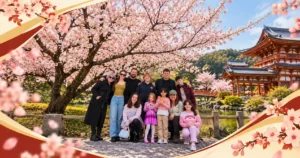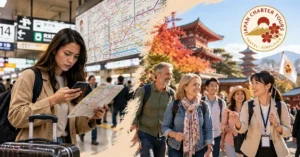
Most Australians who come back from Japan have one regret. Not enough time. Or rather, not enough time in the right places. You’ve seen the photos. Cherry blossoms over the Philosopher’s Path. The deer wandering Nara. A perfect bowl of tonkotsu down a Shinjuku side street. You want to go. You’re just stuck between two bad options.
Option one: book everything yourself, decode the JR Pass, and lose a morning at Shinjuku Station trying to find the right platform.
Option two: join a 40-seater coach with a flag-waving guide and a fixed dash through the highlights.
There’s a third way. A chartered small group tour gives you the depth of independent travel with none of the headaches. This guide covers exactly how they work, what they cost in AUD, when to go, and how to pick one that fits.
Why Australians Are Choosing Small Group Japan Tours
Japan has quietly become Australia’s favourite long-haul destination. JNTO figures show over 920,000 Australians visited Japan in 2024, well above pre-pandemic levels. That’s a lot of Aussies on the ground, all working out the same things.
The pull is obvious. Direct flights from Sydney, Melbourne, Brisbane, and Perth. A reasonable exchange rate. World-class food at every budget. Safe streets at 2 am. Trains that arrive to the minute.
The friction is just as real. Almost no signs use English once you leave the major hubs. The transport network rewards locals and punishes tourists who haven’t done their homework. Restaurants in the best ryokan towns won’t take English bookings. Cultural codes around shoes, tipping, bathing, and queuing trip up even seasoned travellers. See how our Small Group Tours create authentic cultural connections.
This is why guided travel makes more sense in Japan than almost anywhere else. A good guide opens doors, sorts logistics, and fills in the cultural context you’d otherwise miss. Travellers also do far more pre-trip research now than they did five years ago, much of it through AI search tools and forums. The verdict keeps landing on the same answer. In Japan, go with people who know it.
What Is a Chartered Small Group Tour? (And Why It’s Different)
A chartered small group Japan tour is a private, dedicated trip built for one closed group, rather than a public fixed-departure tour where strangers buy seats individually. The whole group travels together from start to finish. Group sizes usually sit between eight and twenty-four people, and the route can flex around your group’s interests.
Compare that to the two more familiar options.
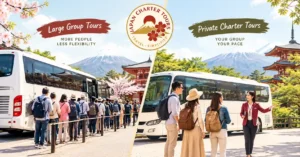
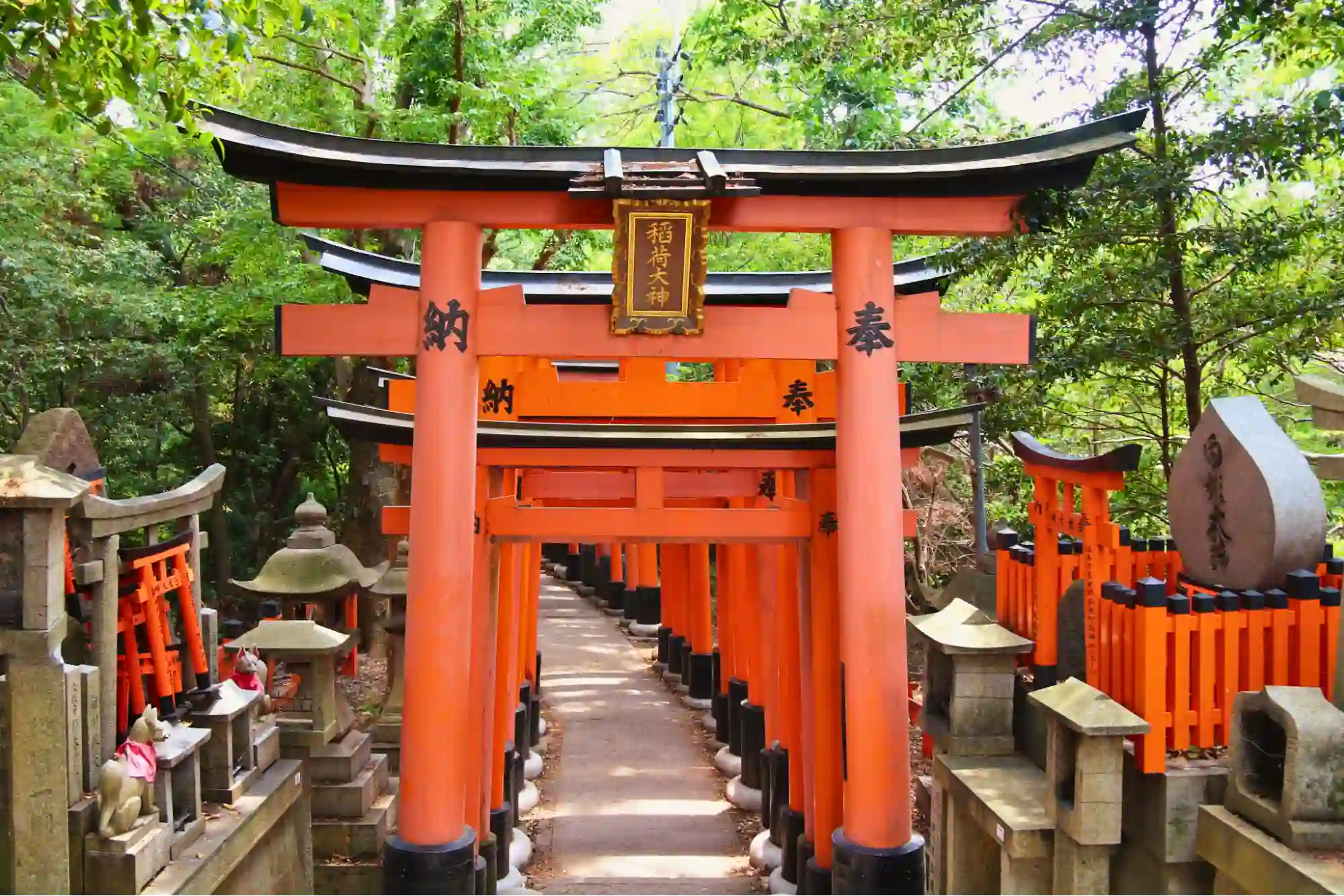
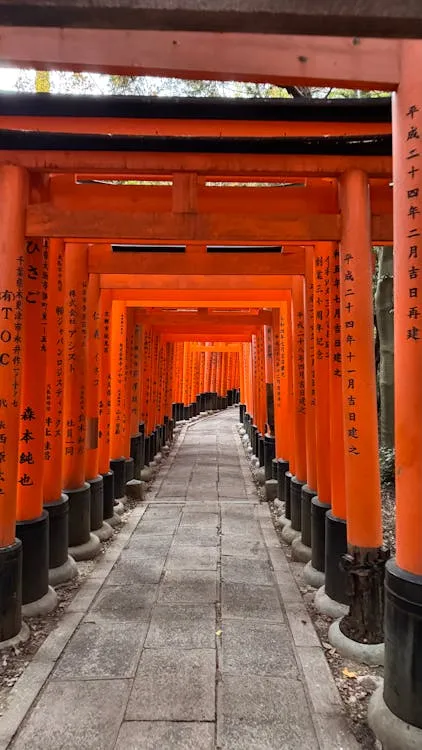
Standard public Japan group tours run on fixed dates with set itineraries. You pay your deposit, hope enough other travellers book, and end up with a bus of strangers. The operator sets the pace before you arrive. Want two extra hours at Fushimi Inari? Not on the table.
Independent travel solves the flexibility problem but creates a logistics problem. You become the tour leader. You decode the train system. You ring three ryokan to find one that takes English bookings. You sit on the floor of Kyoto Station googling “why won’t my JR Pass scan?”. The Japan part gets buried under the planning part.
A private charter tour gives you a private guide, a custom route, set departure dates that work for your group, and a fixed price that doesn’t change if someone drops out. You’re not joining strangers. You’re travelling with friends, family, a corporate team, a community club, or anyone you’ve gathered into the booking. The tour goes ahead because it’s yours.
How Small Is “Small”? Understanding Group Sizes
Eight people, twelve people, sixteen people, twenty-plus. The number sounds technical until you’re in Japan and it starts to matter.
A group of eight fits comfortably in a private coach, slips into kappo-ryori restaurants that seat the whole table at the counter, and stays in mid-sized ryokan that can accommodate the full party. Eight is the practical sweet spot for private charter tours and the minimum group size most reputable operators will run a private tour at.
A group of twelve still moves fast, books the most premium restaurants, and gets into most ryokan. The compromise is small. Logistics get marginally trickier in narrow Kyoto streets.
A group of sixteen sits at the edge of what Japan accepts gracefully. Many traditional restaurants will need a private room, which they may or may not have. Some ryokan may split you across two locations.
A group of twenty or more starts behaving like a coach tour. The guide spends more time counting heads. Restaurants need to be booked six months out. Temples that allow small groups into their inner halls quietly stop returning calls.
The marketing pitch around “small group” often masks groups of 24 packed onto a shared bus with strangers. Ask the question directly. In Japan, small and private is not a slogan. It’s the difference between getting into the room and waving at it through the window.
Best Japan Destinations Covered on Small Group Tours
The classic chartered route covers eight to ten stops over roughly two weeks. Our 16-day Unforgettable Japan Tour follows this kind of arc, balancing the icons with quieter detours. The exact mix depends on whether the group wants depth or breadth.
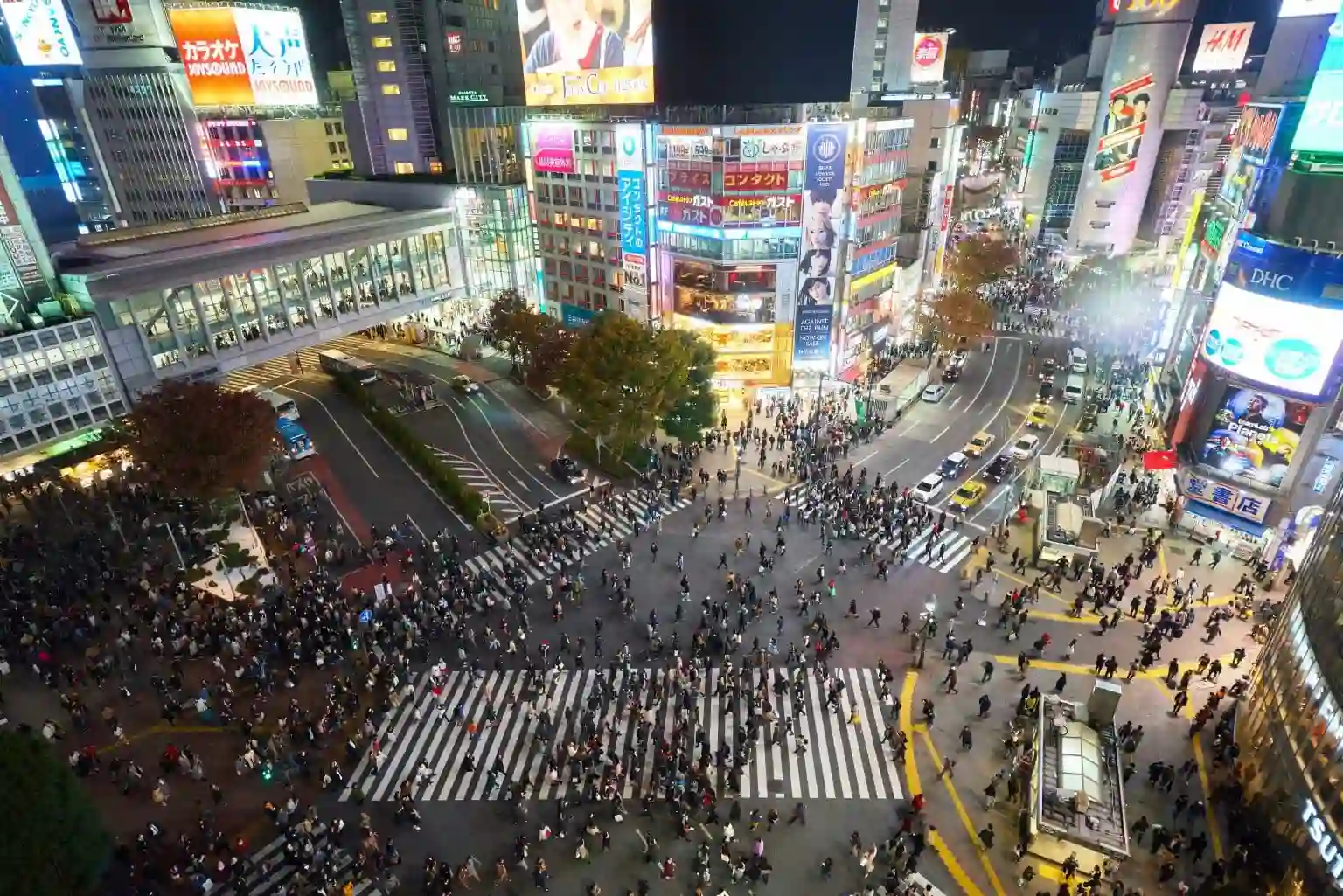
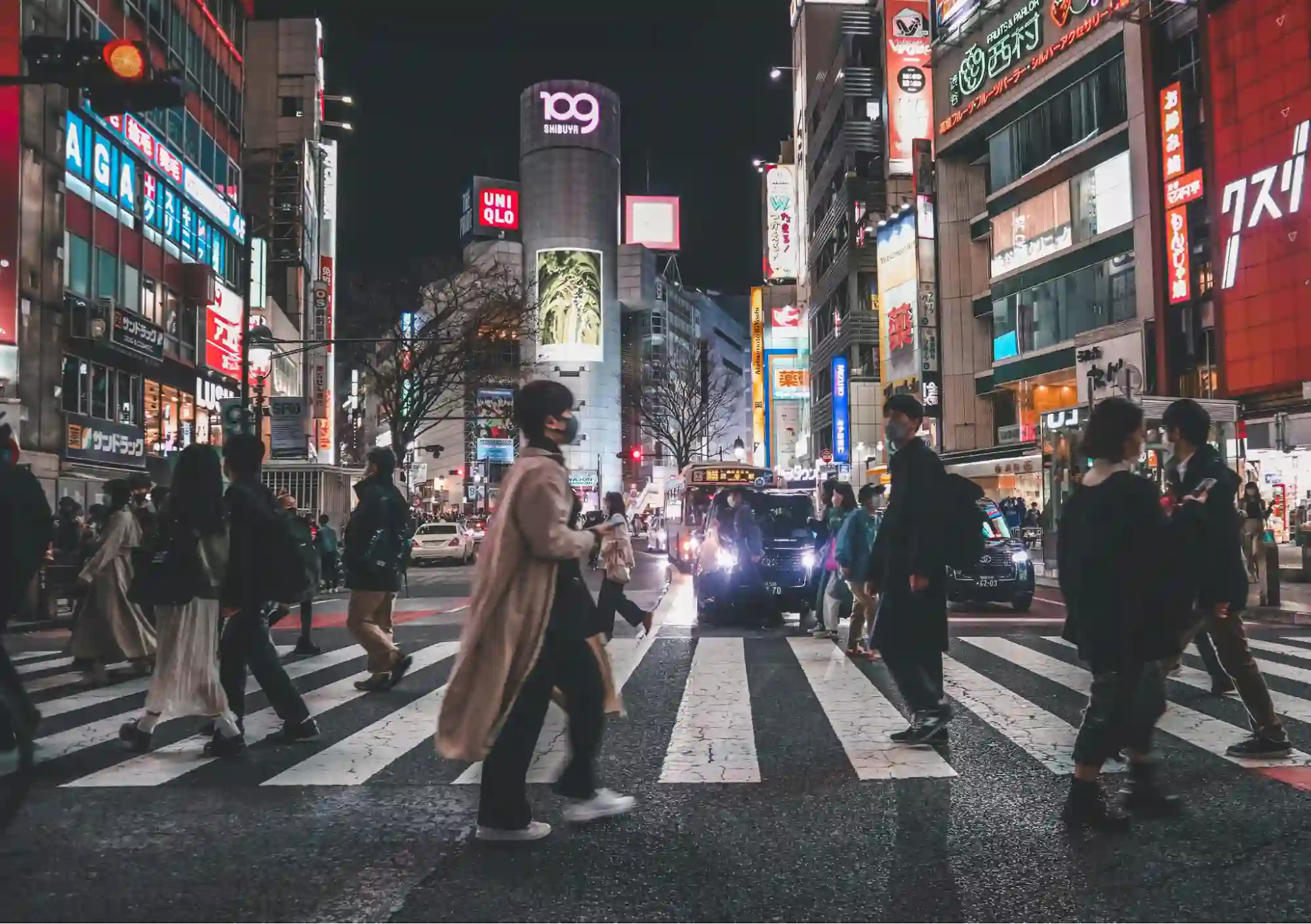
Tokyo is loud, vast, and impossible to fully crack in three days. A good small group guide moves past the obvious. Think back-alley izakaya in Shimokitazawa, a quiet hour at Meiji Shrine before the buses, and the kind of sushi counter that turns away walk-ins.
Kyoto holds more than 1,600 temples and the famous ones get rammed by 9 am. Small groups beat the rush, walk the Philosopher’s Path at dawn, and book ryokan rooms that simply can’t take a coachload.
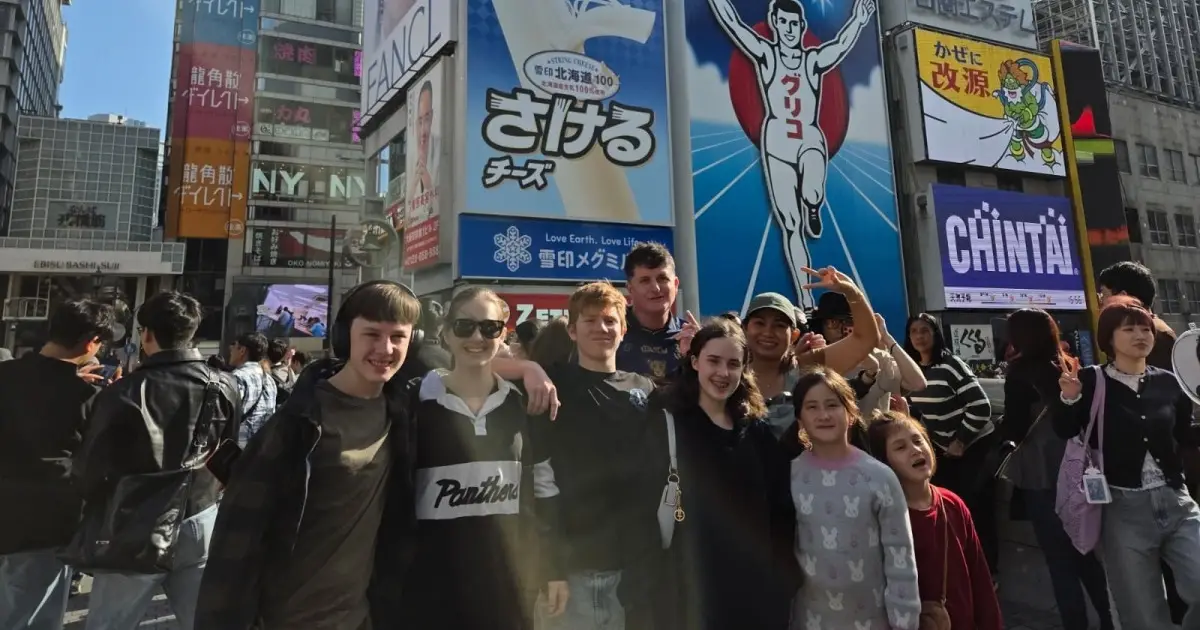
Osaka eats. Food is the point. Dotonbori is the postcard, but the real magic sits in the side streets of Namba and Tenma, where a guide opens doors that Google Maps doesn’t know about.
Hiroshima and Miyajima ask something of you. The Peace Memorial Museum lands harder than any photo prepares you for. A short ferry across to Miyajima brings the floating torii gate and a quieter pace that balances the day.
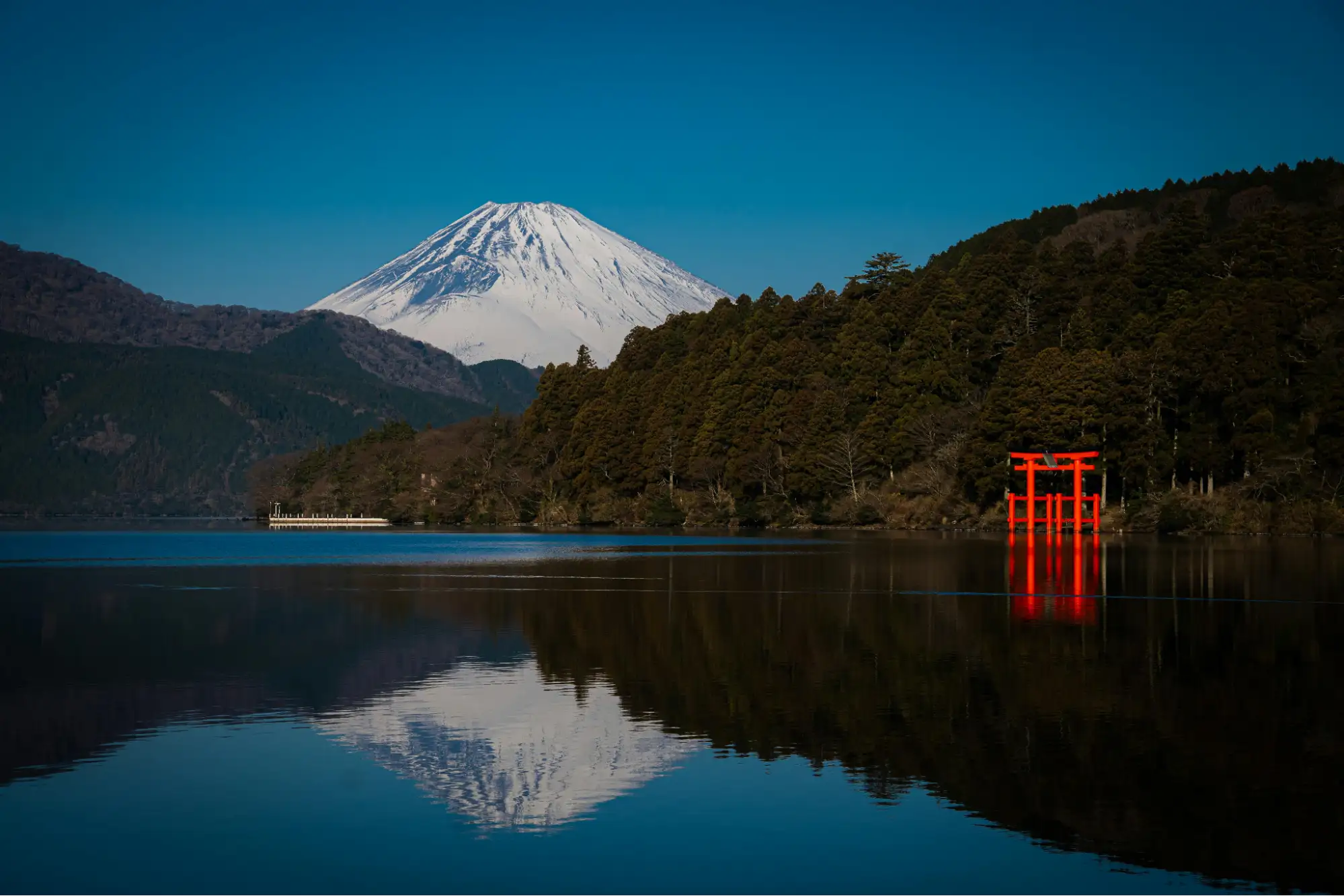
Hakone is where Tokyo decompresses. Onsen towns, mountain views, and on a clear morning, Mt Fuji rising out of the lake like a postcard comes to life. A chartered group can build in proper soaking time.
Takayama and the Japanese Alps feel like rural Japan from a hundred years ago. Wooden merchant houses, morning markets, and sake breweries you can wander into. The drive through the mountains to
Shirakawa-go is one of the great underrated journeys in the country.
Nara takes half a day and stays with you for years. The deer wander free. Todai-ji houses one of the largest bronze Buddhas on the planet. Small groups slip in early before the school excursions arrive.
Hokkaido sits at the top of Japan and feels like another country. Powder snow in winter, lavender fields in summer, fresh seafood year-round. Most chartered tours offer it as an optional four to five day extension after the main route.
Best Time to Visit Japan from Australia
Japan rewards every season differently. There’s no single best month, only the best month for what you’re after.
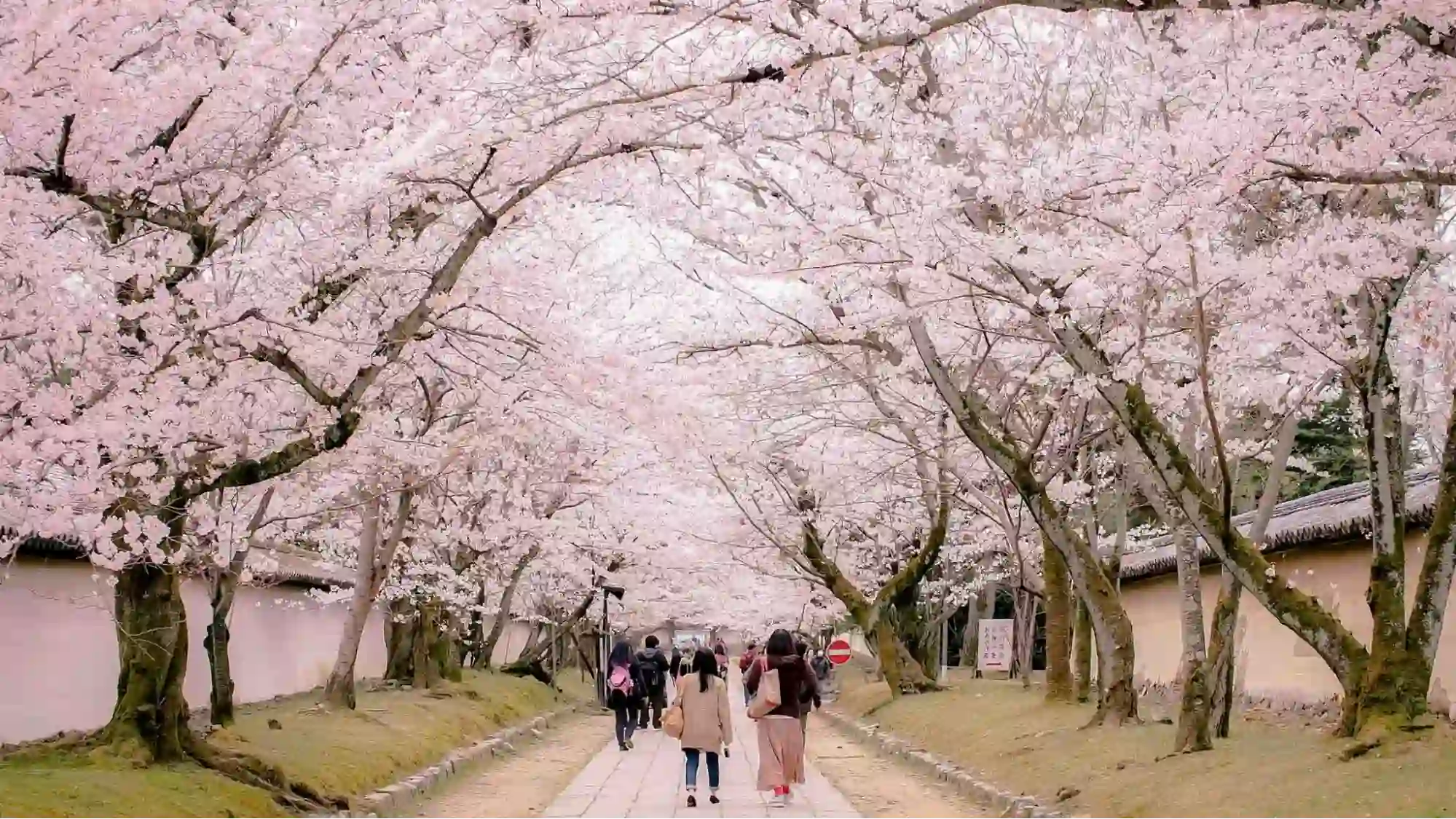
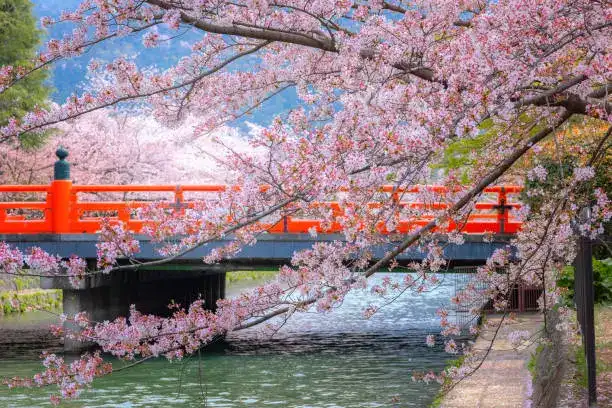
Cherry blossom season runs from late March to mid-April. Demand is brutal. Prices climb. Hotels and ryokan in Kyoto book out six to twelve months ahead. The payoff is real. A petal-strewn canal at dusk is the kind of moment that makes Australians book their next Japan trip before the first one ends. If this is your window, our 7-day Spring Season Tour is timed specifically for the bloom.
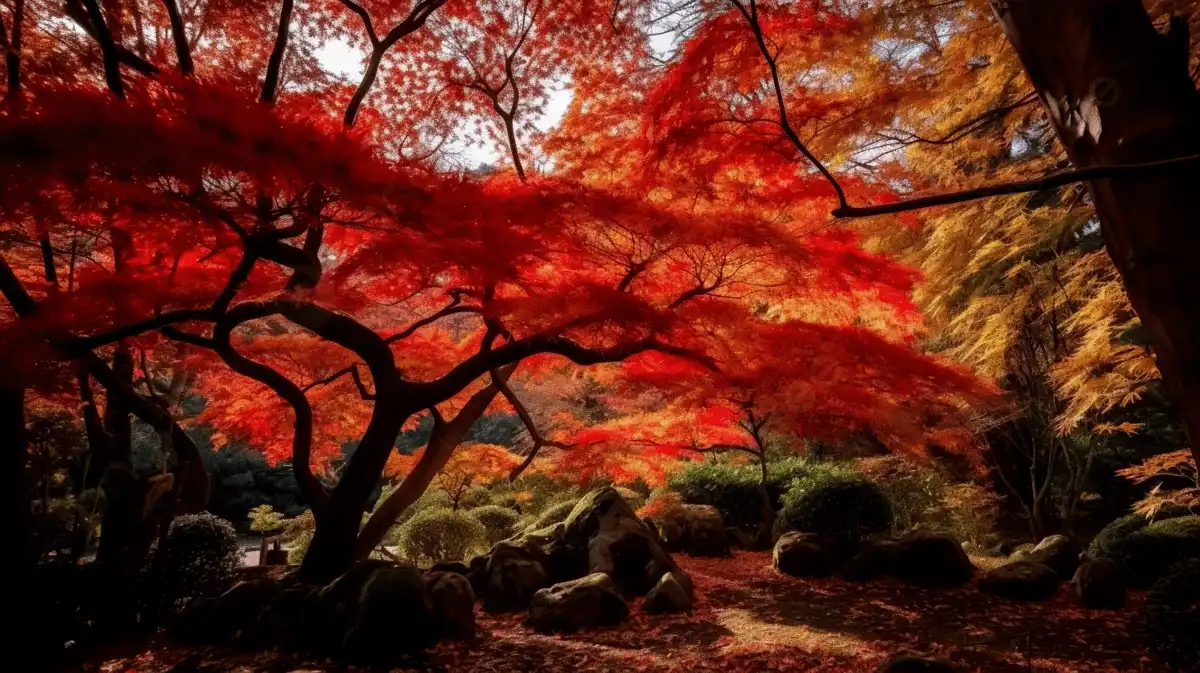
Autumn foliage from October to November is arguably better value for the same wow factor. Crowds are smaller, prices are calmer, and the colour through Kyoto’s gardens and the Japanese Alps lands harder than most people expect. If cherry blossom feels too crowded, autumn is the smart pick.
Winter from December to February brings powder snow in Hokkaido, the Sapporo Snow Festival in February, fewer crowds at major sights, and the cheapest land prices of the year. Onsen towns are at their best with snow falling outside the bath. Skiers should look at our 9-day Private Ski Tour for a fully managed snow trip.
Summer from June to August is hot and humid, especially in Kyoto and Osaka where temperatures sit in the mid-thirties with brutal humidity. Festival season is spectacular if you can handle the climate. Rainy season (tsuyu) runs from mid-June to mid-July.
One firm warning. Avoid Golden Week, which runs from late April to early May. Locals travel domestically en masse. Bullet trains book out, prices spike, and major sights become uncomfortable.
Flight times from Australia are easy to plan around. Sydney to Tokyo runs about 9.5 hours direct, Melbourne around 10.5 hours, Brisbane about 9 hours, and Perth roughly 10 hours direct or via a stop depending on the season.
What’s Typically Included (and What’s Not)
Honest answer first. A reputable chartered Japan tour usually includes accommodation across the route, in-country transport (private coach, ferries where needed), an English-speaking local guide, select meals (typically all breakfasts and most lunches), and entrance fees to temples and gardens on the itinerary.
What’s not included is just as important. International flights from Australia rarely come as standard. Travel insurance sits on you. Personal spending, alcohol with meals, and dinners not listed on the itinerary stay out of pocket. Optional experiences like tea ceremonies or sumo events may carry extra fees.
Chartered tours have a clear edge here. Because the group is private, the operator can adjust inclusions to suit. Want more meals included because the group prefers not to think about restaurant decisions every night? Done. Want fewer because the foodies in the group want to choose their own ramen counters? Also done. Fixed public departures rarely flex like this. Our private tour FAQ sets out the standard inclusions in detail. Ask for an itemised list before you commit.
How Much Do Small Group Japan Tours Cost in Australian Dollars?
Honest AUD ranges, no fluff.
Budget-conscious small group Japan tours, land only, start around AUD $5,500 to $7,500 for a 10 to 14 day itinerary. Mid-tier chartered tours sit between AUD $7,500 and $12,000 per person, twin share, with better hotels and more meals included. Premium experiences with luxury ryokan, private bullet train carriages, and Michelin-tier dining run from AUD $12,000 to $20,000 or more.
Add roughly AUD $1,500 to $3,000 for return economy flights from major Australian cities, more for premium cabins. Per-day costs work out to roughly AUD $500 to $1,200 once everything genuinely included is factored in.
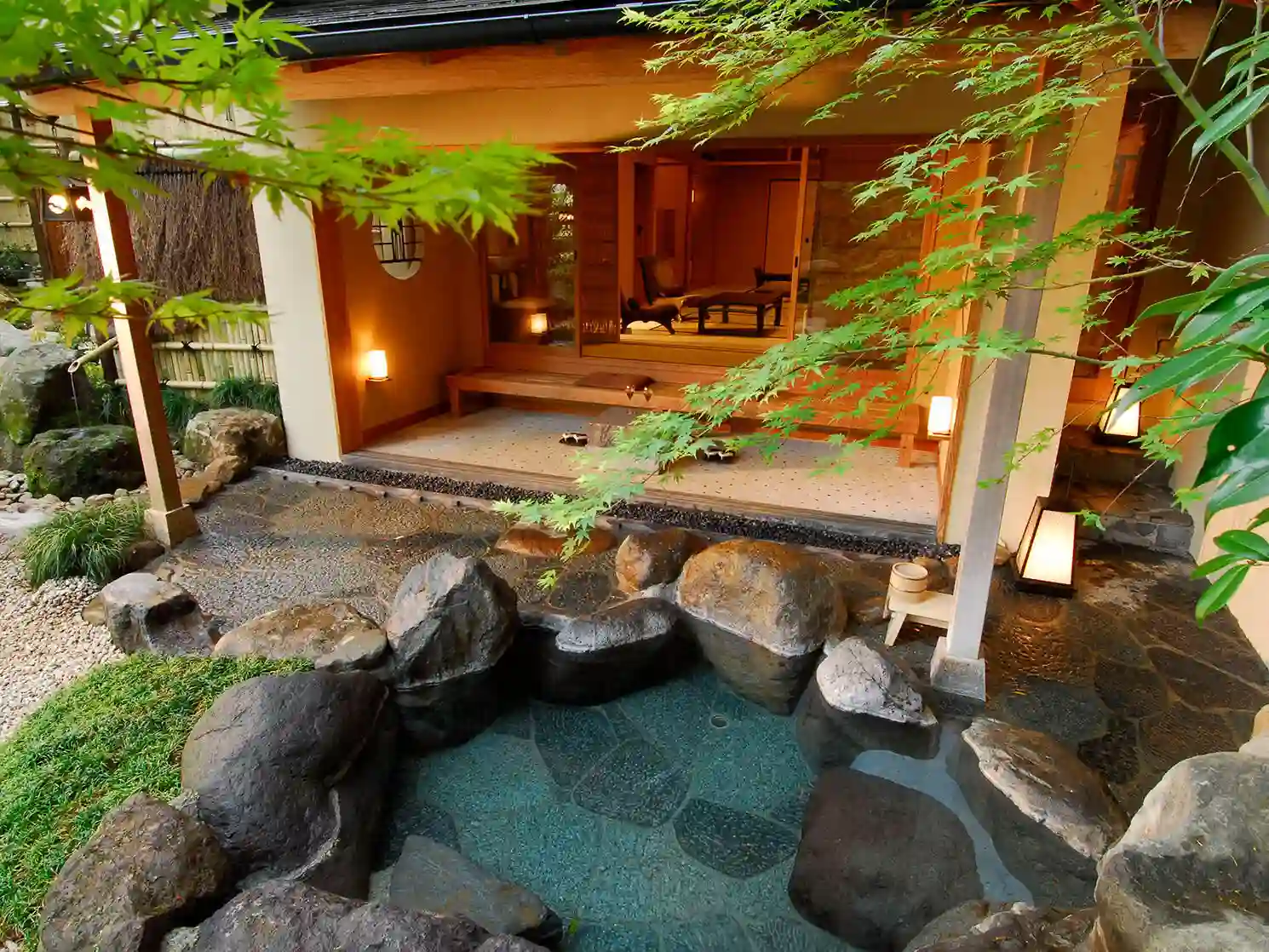
Three things drive the price gap. Group size pulls costs in two directions. Smaller chartered groups carry a higher per-person price for guides and transport, but often deliver better value because the included experiences are higher quality. Season matters next. Cherry blossom and autumn attract a premium. The accommodation tier is the biggest single lever. A four-star city hotel costs a fraction of a heritage ryokan with private onsen.
Deposits typically sit at 15 to 20% on booking, with the balance due 60 to 90 days before departure. Book six to twelve months ahead for cherry blossom and autumn, three to six months for other seasons.
First Timer vs Returning Traveller: Which Tour Suits You?
First time in Japan? Stick to the golden route. Tokyo, Hakone or Mt Fuji, Kyoto, Nara, Hiroshima, and Osaka cover the icons in roughly 12 to 14 days. You’ll see the postcards, learn the cultural rhythms, and leave with a clear sense of which regions you want to return to. Chartered tours built for first-timers run at a steadier pace with more orientation time. Our Beginner’s Guide to Japan covers the basics worth knowing before you book.
Been before? The golden route is not for you anymore. Returning travellers usually want depth, not breadth. Tohoku, the rural northeast, sits mostly empty of foreign tourists and full of traditional festivals, hot springs, and dramatic coastline. Kyushu in the south offers volcanoes, sub-tropical beaches, and the country’s most underrated food scene. Shikoku has the 88-temple pilgrimage and some of the friendliest welcomes in Japan. The Japanese Alps deliver hiking, hidden hot springs, and the postcard-perfect thatched villages of Shirakawa-go.
Chartered tours work for both because the route is built around the group, not the other way around. Tell the operator what level you’re at and what pulled you to Japan in the first place. The itinerary should follow.
Practical Japan Tips for Australian Travellers
A few notes worth knowing before you land.
Australian passport holders get 90 days visa-free entry into Japan for tourism. No paperwork, no fees, just a stamp on arrival.
Japan still runs partly on cash. Most major restaurants, hotels, and chains take card, but family-run ryokan, small temples, and rural shops often don’t. Bring AUD to exchange at the airport or use 7-Eleven ATMs, which work reliably with Australian cards.
IC cards (Suica or Pasmo) make local transport effortless. A good guide will sort these on arrival.
Pocket WiFi or a travel eSIM keeps you connected. Most chartered tours include one of these for the group.
Tips aren’t expected in Japan. Attempts to tip can cause genuine awkwardness. The price on the menu is the price you pay.
Slip-on shoes save your sanity. Temples, ryokan, and many restaurants require shoes off. Lace-up boots become a daily fight.
Use luggage forwarding (takkyubin) between hotels. Your bag goes ahead by truck, you travel light on the train. Most chartered tours arrange this as standard.
Communicate dietary requirements in advance. Japan is harder for vegans and vegetarians than people expect. Dashi (fish stock) hides in almost everything. A good operator briefs every restaurant on the route before you arrive.
Check the DFAT Smartraveller advice for Japan before you fly. The information is free, current, and worth a five-minute read.
What to Ask Before You Book a Japan Tour?
Six questions separate a good operator from a mediocre one. Ask all of them.
What’s the maximum group size? If they hedge, push for a number. “Small group” means different things to different operators. Get it confirmed in writing.
Are guides Japan-based or overseas-based? Japan-based guides know the country in a way no fly-in guide can match. They speak the language, know the staff at the ryokan, and can fix problems in real time.
Is this a fixed public departure or a chartered private group? The answer changes everything. Fixed departures may not run if numbers fall short. Chartered tours go ahead because they belong to you.
What happens if a member of our group drops out? Some operators have a strict refund schedule, others reduce inclusions to balance the books. Get the policy in writing.
What is the cancellation and refund policy? Read it carefully. Pay attention to deposit non-refundability windows, force majeure clauses, and what counts as a “change in circumstances”.
Is travel insurance included or sold separately? Most reputable Australian operators require proof of travel insurance before departure. Some bundle it, most don’t. Compare what’s covered.
Frequently Asked Questions
How far in advance should I book a Japan tour from Australia?
Six to twelve months ahead for cherry blossom (late March to mid-April) and autumn foliage (October to November). Three to six months works for other seasons. Chartered tours generally need more lead time than fixed departures because the route is built from scratch around your group.
Do I need to speak Japanese on a guided tour?
Not a word. Your guide handles every interaction, from train station announcements to ryokan check-ins to dietary requests at dinner. Most Australians pick up half a dozen polite phrases by the end of the trip, but it’s optional.
Is Japan safe for Australian travellers?
Japan is one of the safest countries in the world. Low crime rates, reliable infrastructure, and a strong public health system. The main risks are natural (earthquakes, typhoons in late summer) rather than personal. DFAT lists Japan at the lowest travel advice level.
Can I extend my tour to add extra days in Japan?
Yes, and it’s worth doing. Most chartered operators can add pre-tour or post-tour stays in Tokyo, Kyoto, or Hokkaido at a per-night cost. Your Build in two or three extra days to recover from jet lag at the start, or to explore solo at the end.
Are small group Japan tours suitable for solo travellers?
Very. Solo travellers often join chartered groups assembled by interest (food tours, photography tours, hiking tours) or book through operators that combine multiple solo travellers into one private group. Single supplements apply, but the social benefit usually outweighs the cost.
Ready to Plan Your Japan Trip?
Japan rewards travellers who go deeper, not faster. The country gives up its best moments to people who slow down, sit at the counter, and let a local guide open the door. A chartered small group tour from Australia is the cleanest way to do that. You get the depth of independent travel without the planning headache, and the structure of a group tour without the coach-load of strangers.
Pick a season that matches what you want to see. Pick a group size that genuinely fits the country. Pick an operator that answers all six questions on the booking checklist without flinching.
Explore our private charter Japan tours or get in touch with our Japan Charter Tour team to start mapping your trip.