Japan can feel wonderfully easy and surprisingly confusing at the same time.
The trains run well. The cities feel safe. The food is everywhere. Then a small mistake catches you out. A giant suitcase blocks a station staircase. A restaurant only takes cash. A temple visit feels awkward because you missed a quiet etiquette rule.
This guide explains the most common mistakes travellers make in Japan and how to avoid them. You will also find practical Japan travel tips to help you plan your route, pack smarter, use trains with less stress, handle the language barrier, respect local customs and enjoy Japan without turning every day into a race.
Why Do So Many Travellers Make Mistakes in Japan?
Japan works differently from many other travel destinations. That difference makes the trip special, but it also catches first-time visitors off guard.
Many travellers expect Japan to feel hard because of the language barrier. In reality, the harder parts often come from small daily habits. Train manners, rubbish rules, restaurant customs, cash use, shoe etiquette and luggage logistics all shape the travel experience.
A little preparation goes a long way. You do not need to act like a local. You just need to travel with awareness. The Japan travel guides section can also help you plan with more confidence before you go.
Common Mistakes Travellers Make in Japan Before the Trip

The biggest problems often start before you land. A rushed itinerary, poor timing or weak accommodation planning can make Japan feel more tiring than it needs to.
Mistake 1: Packing Too Much Into the Itinerary
Japan makes people ambitious. Tokyo, Kyoto, Osaka, Nara, Hiroshima, Mount Fuji, Hakone and Hokkaido all sound tempting.
The problem? Travel time adds up quickly.
A packed itinerary leaves little space for train changes, queues, meals, weather delays or simple wandering. You may visit more places, but enjoy fewer of them.
A better approach:
- Choose fewer bases and take day trips from them.
- Spend at least three nights in Tokyo for a first visit.
- Give Kyoto enough time for temples, gardens and slower streets.
- Leave one flexible half-day in every major city.
- Group nearby sights instead of crossing the city several times.
Simple Japan itinerary tips can make a first trip to Japan feel calmer, and the best routes usually have rhythm.
Mistake 2: Visiting in the Wrong Season for Your Travel Style
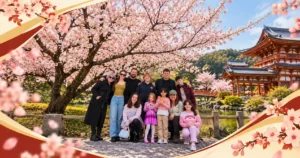
Japan changes deeply by season. Cherry blossom season feels very different from summer humidity. Autumn leaves create a different mood from winter snow.
Many travellers choose dates based only on flight prices or famous festivals. That can work, but it can also lead to discomfort.
Spring brings blossoms and crowds. Golden Week, which usually falls from late April to early May, can also make hotels, trains and popular sightseeing areas much busier. Summer brings heat, humidity and festivals. Autumn brings colour and pleasant walking weather. Winter brings ski trips, illuminations and quieter temple visits in some areas.
A better approach:
- Visit March to April for cherry blossom season, but book early.
- Visit from October to November for cooler weather and autumn colour.
- Avoid peak heat if you dislike humid days.
- Check Japanese public holidays before booking, especially Golden Week.
- Plan indoor options during rainy or hot periods.
A spring season group tour in Japan can help travellers enjoy the season with less planning stress, especially during cherry blossom periods.
The right season depends on what you want from the trip.
Mistake 3: Booking Accommodation Too Far From Transport
A hotel may look close on a map but still feel awkward after a long day. Large Japanese cities can take time to cross, even with excellent transport.
A cheap hotel far from a useful train line may cost you more in time, energy and transfers.
A better approach:
- Stay near a major train or metro station.
- Check walking distance with luggage.
- Choose areas based on your daily plans.
- Look for lift access at nearby stations.
- Read reviews that mention transport convenience.
Good location saves more than money. It saves patience.
Japan Transport Mistakes That Cause Stress
Japan’s public transport works brilliantly, but it requires preparation. A few simple habits can make trains, buses and stations much easier.
Mistake 4: Not Getting an IC Card Early
An IC card such as Suica, PASMO or ICOCA can make everyday travel easier. You can tap on and off many trains, buses and some local transport systems. You can also use IC cards at many convenience stores, vending machines and station shops.
Some routes and regions still have limits, so do not treat one card as a magic pass for every journey.
A better approach:
- Set up a digital IC card before arrival, if your phone supports it.
- Buy a tourist-friendly card or local IC card after arrival, where available.
- Keep enough balance for short trips and small purchases.
- Check regional limits before rural travel.
- Use paper tickets where IC cards do not apply.
An IC card reduces small daily friction. That matters on a busy trip.
Mistake 5: Assuming the Japan Rail Pass Always Saves Money
The Japan Rail Pass once felt like an automatic choice for many visitors. Now, many travellers need to check the numbers before buying.
A JR Pass can still suit long-distance travel across several regions. It may not suit slower trips focused on Tokyo, Kyoto and Osaka only.
A better approach:
- Compare your exact Shinkansen routes before buying.
- Check regional rail passes, not just the national pass.
- Avoid buying a pass for city travel alone.
- Match pass days to long-distance travel days.
- Buy individual tickets where they cost less.
A rail pass should support your route. Your route should not exist only to justify the pass.
Mistake 6: Carrying Large Suitcases Through Busy Stations
Large luggage can turn Japan’s best transport system into a workout. Stations can feel huge. Tokyo Station, Shinjuku Station and Osaka Station can overwhelm visitors to Japan, especially during busy hours. Some exits lack lifts. Peak-hour trains leave little space. Shinkansen oversized luggage rules can also affect certain routes.
Japan offers luggage forwarding services, often through hotels or delivery counters. This lets you send bags ahead and travel with a smaller overnight bag.
A better approach:
- Pack one medium suitcase instead of one huge bag.
- Use luggage forwarding between major hotels.
- Keep one day bag with essentials.
- Avoid rush hour with luggage.
- Reserve luggage space on relevant Shinkansen routes where required.
Light luggage changes the whole trip. Your shoulders will notice.
Etiquette Mistakes Travellers Should Avoid in Japan
Japan does not expect tourists to know every custom. Still, basic respect matters. Quiet behaviour, clean spaces and awareness of others make travel smoother.
Japanese people often value calm public behaviour, clean shared spaces and respect for personal boundaries. The Japanese etiquette guide for first-time visitors gives helpful background on Japanese etiquette for tourists before you travel.
Mistake 7: Talking Loudly on Trains
Public transport in Japan usually feels calm. People speak quietly, avoid phone calls and keep noise low.
Tourists sometimes treat trains like social spaces. Loud voices can stand out quickly.
A better approach:
- Keep conversations soft.
- Put your phone on silent.
- Avoid phone calls on trains.
- Use headphones at low volume.
- Move aside before checking maps or bags.
Quiet travel shows respect for the people around you.
Mistake 8: Eating While Walking
Japan has amazing street food, but eating while walking can feel rude in many places. Local habits vary, especially around markets and festivals, but people often eat near the stall, at a bench or in a set food area.
A better approach:
- Eat near the shop or stall after buying food.
- Watch what locals do in the area.
- Keep rubbish until you find the right bin.
- Avoid eating on local trains.
- Use convenience store seating areas where available.
Food tastes better when you slow down anyway.
Mistake 9: Forgetting Shoe Etiquette
Shoes come off in many places, including homes, ryokan, some temples, traditional restaurants, fitting rooms and certain indoor areas.
Travellers often miss the visual cues. Raised floors, shoe racks, slippers and tatami mats usually signal a shoe-free space.
A better approach:
- Wear socks without holes.
- Look for shoe racks before entering.
- Step out of outdoor shoes before walking onto raised floors.
- Use toilet slippers only inside the bathroom area.
- Avoid stepping on tatami mats with shoes or slippers unless signs allow it.
This small habit matters more than many first-time visitors realise.
Mistake 10: Taking Photos Without Reading the Room
Japan gives you endless photo opportunities. Temples, shrines, food markets, trains and quiet neighbourhoods all tempt the camera.
Some places restrict photography. Some locals also dislike close-up photos, especially in private businesses, shrines, geisha districts and residential streets.
A better approach:
- Check signs before taking photos.
- Avoid photographing people closely without permission.
- Keep tripods away from crowded areas.
- Move aside before filming.
- Put the camera down during quiet or sacred moments.
A good photo should not ruin someone else’s day. You can also view the Japan Charter Tours gallery for travel inspiration before planning your own photo stops.
Food and Restaurant Mistakes in Japan

Food can become one of the best parts of Japan. Small mistakes can make dining feel awkward, but most restaurants feel easy once you know the basics.
Mistake 11: Only Eating at Convenience Stores
Japanese convenience stores are excellent. They help with breakfast, snacks, coffee and quick meals. Still, they should not replace local dining.
Tiny ramen shops, izakaya, sushi counters, curry houses, soba restaurants, department store food halls and neighbourhood cafés all show a richer side of Japan.
A better approach:
- Try one local restaurant each day.
- Use food halls for easy variety.
- Look for lunch sets to save money.
- Join a food tour on the first few days.
- Learn a few dish names before the trip.
Convenience stores help. Restaurants create memories.
Mistake 12: Not Carrying Cash
Japan accepts a credit card or debit card in many places, especially hotels, department stores and larger restaurants. Smaller shops, rural businesses, shrines, temples, markets and older restaurants may still prefer cash.
A good idea is to carry more than one payment option. Keep some yen for daily spending, use a credit card for larger purchases and keep a debit card available for ATM withdrawals where your bank allows it.
A better approach:
- Keep enough yen for daily spending.
- Use convenience store ATMs where your card works.
- Carry coins for lockers, temples and small snacks.
- Do not rely on one payment method.
- Keep emergency cash separate from your wallet.
Cards may work often. Cash still saves awkward moments.
Mistake 13: Tipping Staff
Tipping does not form part of everyday Japanese service culture. Many restaurants, hotels and taxis do not expect tips. Some staff may even feel confused by extra money left behind.
A better approach:
Say thank you politely.
Pay the bill at the counter where required.
Use the payment tray if one appears.
Show appreciation through respectful behaviour.
Follow the system the venue uses.
Good manners matter more than extra coins.
Planning Mistakes That Make Japan Feel Harder
A good Japan trip needs structure, but not pressure. The best plans leave room for discovery.
Mistake 14: Trusting Maps Without Understanding Station Layouts
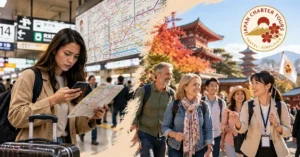
Google Maps helps a lot when you travel in Japan, but a map may show a simple route while the station tells another story.
Large stations such as Shinjuku, Tokyo Station, Osaka and Kyoto can feel like small cities. The wrong exit can add 15 minutes or more to a walk.
A better approach:
- Note the correct station exit before arrival.
- Follow platform signs, not only Google Maps directions.
- Give yourself extra time at major stations.
- Ask station staff when you feel lost.
- Avoid tight transfers on your first few days.
Japan rewards calm navigation.
Mistake 15: Ignoring Local Crowds and Peak Times
Famous places draw crowds for good reason. Fushimi Inari, Arashiyama, Shibuya Crossing, Senso-ji and major cherry blossom spots can feel very busy.
A better approach:
- Visit famous sights early in the morning.
- Save popular shopping streets for weekdays where possible.
- Book restaurants ahead for busy nights.
- Use quieter side streets near major attractions.
- Add lesser-known neighbourhoods to the plan.
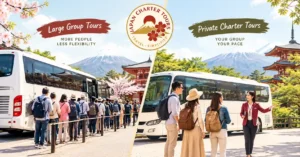
You do not need to skip famous places. You just need better timing. A private charter tour in Japan can also help travellers manage timing, transfers and comfort across busy destinations.
Mistake 16: Not Learning a Few Basic Japanese Phrases
Many Japanese people help tourists with patience. Even so, a few simple words show respect and make daily travel easier, especially when the language barrier makes restaurant orders, station questions or hotel check-ins feel harder.
Useful phrases:
- Konnichiwa: Hello
- Arigatou gozaimasu: Thank you
- Sumimasen: Excuse me or sorry
- Onegaishimasu: Please
- Eigo wa hanasemasu ka: Do you speak English?
- Daijoubu desu: It is okay
You do not need perfect pronunciation. Effort matters.
Quick Comparison: Common Mistakes and Better Choices
These common Japan travel mistakes may seem small, but they can affect your comfort, timing and confidence during the trip.
| Mistake | Why It Causes Problems | Better Choice |
|---|---|---|
| Planning too many cities | You lose time to transfers | Pick fewer bases and add day trips |
| Skipping cash | Small places may not accept cards | Carry yen, a credit card and a debit card |
| Using huge luggage | Stations and trains become stressful | Pack lighter or use luggage forwarding |
| Speaking loudly on trains | Quiet public transport matters in Japan | Keep conversations soft |
| Eating while walking | Local customs often discourage it | Eat near the shop or in a seating area |
| Booking far from the stations | Daily travel takes longer | Stay near useful train lines |
| Ignoring station exits | Large stations can confuse visitors | Check the correct exit before arrival |
| Only eating at a konbini | You miss local dining culture | Try restaurants, markets and food halls |
What Should First-Time Travellers Do Instead?
A good first Japan trip does not need perfection. It needs thoughtful choices.
Start with a simple route. Tokyo, Kyoto and Osaka can fill 10 to 14 days without much trouble. Add Nara, Hakone, Hiroshima or Mount Fuji only when the schedule has enough space. The 16 Days Unforgettable Japan Tour suits travellers who want a fuller itinerary with more time to enjoy each stop.
Pack lighter than you think. Use trains at quieter times. Carry cash. Learn basic etiquette. Eat properly. Slow down.
That is the real trick. Japan gives more back when you stop trying to see everything. Anyone travelling to Japan for the first time should plan for comfort as much as sightseeing.
FAQ: Mistakes Travellers Make in Japan
What should first-time travellers avoid in Japan?
First-time travellers should avoid overplanning, carrying large luggage on busy trains, speaking loudly in public spaces, relying only on cards and rushing through too many cities. A slower route with good transport access, basic etiquette and enough free time creates a much better trip.
Do tourists need cash in Japan?
Tourists should carry cash in Japan, even though many places accept credit card, debit card and IC payments. Small restaurants, temples, shrines, markets, rural shops and older businesses may prefer cash. A mix of card, IC card and yen gives you the most flexibility.
Can travellers eat while walking in Japan?
Travellers should avoid eating while walking unless the area clearly supports it, such as a festival or market with eating spaces. Many people eat near the stall, beside a vending machine or in a seating area. This habit helps keep streets clean and respectful.
Should tourists use luggage forwarding in Japan?
Luggage forwarding can help visitors to Japan move between cities with less stress. Hotels and delivery counters often help send bags to your next hotel. This works especially well for Kyoto, Osaka, Tokyo and longer multi-city trips where train stations feel crowded.
How many cities should first-time visitors see in Japan?
First-time visitors often enjoy Japan more when they focus on two or three main bases. Tokyo, Kyoto and Osaka suit many first trips. Extra cities can work, but only when the itinerary allows enough time for transfers, rest and local exploring.
What etiquette rules matter most in Japan?
The most useful etiquette rules include keeping quiet on trains, queueing properly, removing shoes where required, handling rubbish carefully, respecting temples and shrines, avoiding public phone calls on transport and watching local behaviour before acting.
The Japan Charter Tours FAQ can also help with practical questions before booking.
Conclusion
Japan does not demand perfect travellers. It rewards the thoughtful ones.
The most common mistakes travellers make in Japan usually come from rushing, overpacking, ignoring local habits, or assuming every place works like home. You can avoid most of them with a simple plan, lighter luggage, basic etiquette and a willingness to slow down.
Give yourself room to notice the details. A quiet lane in Kyoto. A perfect bowl of ramen. A smooth train ride. A kind local gesture. Those moments often become the best part of the trip.
You can explore upcoming Japan trips or contact Japan Charter Tours to plan a trip with more comfort and confidence.