The best time to visit Japan is spring (late March to April) for cherry blossoms or autumn (October to November) for autumn foliage. Both bring mild weather and stunning scenery. Winter (December to February) suits skiers and anyone who wants quieter cultural cities. The right season really comes down to what you most want to see and do.
Japan is beautiful all year round, but each season gives you a completely different trip. This guide compares spring vs autumn in Japan, plus winter, so you can pick the best month to visit Japan for your travel style and choose the right tour to match.
Why Does the Season Matter So Much in Japan?
Japan has four clear seasons, and each one changes the scenery, the weather, and even the food you’ll find along the way. In many places the weather barely shifts your plans. Here, the season shapes the whole experience, from cherry blossoms lining the streets to snow-covered mountains built for skiing.
Japanese culture is tied closely to the seasons too, with festivals, food, and traditions that move through the year. Keep an eye on national holidays and Japanese school holidays when you plan, since these dates bring extra crowds to popular attractions and transport.
Demand is real, and growing. Japan welcomed a record 42.7 million international visitors in 2025, and April was the single busiest month with nearly 3.9 million arrivals during cherry blossom season, according to the Japan National Tourism Organisation. Timing matters more than ever.
Here’s what each of Japan’s travel seasons offers.
Spring in Japan (March to May)
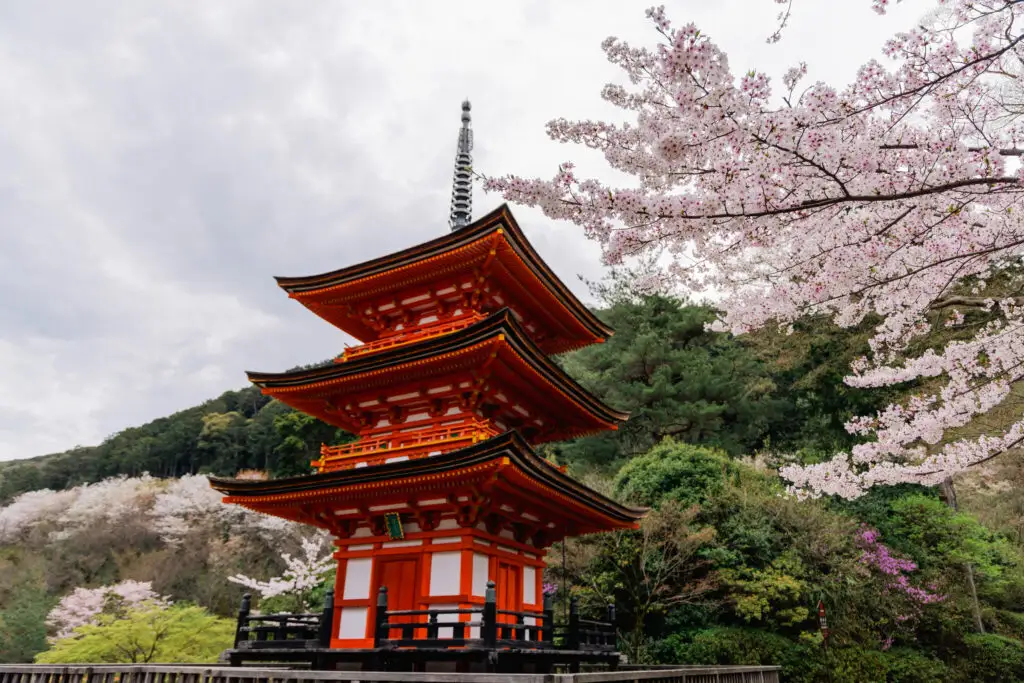
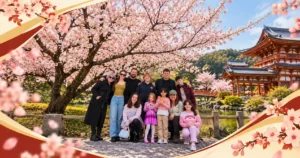
Cherry blossom season makes spring one of the most popular times to visit, and for good reason.
What to Expect in Spring
- Cherry blossoms (sakura) – Japan’s most famous seasonal event. Each tree bursts into bloom, usually from late March to early April, though the exact timing shifts slightly each year. In central Japan, Tokyo,
- Kyoto, and Osaka often hit full bloom around the end of March into the first week of April.
- Mild, comfortable weather – cool mornings and pleasant afternoons, ideal for walking and sightseeing.
- Parks and gardens in full colour – cities like Tokyo and Kyoto look their best.
- Bigger crowds – spring is peak season, so popular spots get busy, especially around school holidays.
Who Does Spring Suit Best?
Spring suits travellers who want to see the cherry blossoms, enjoy comfortable walking weather, and don’t mind sharing popular spots with other visitors. A great choice for first-time visitors and families planning around school holidays. Our 7-Day Spring Season Tour times its route to give you the best shot at full bloom. See our dedicated Spring Season Group Tours Japan page for dates and itineraries.
Autumn in Japan (September to November)
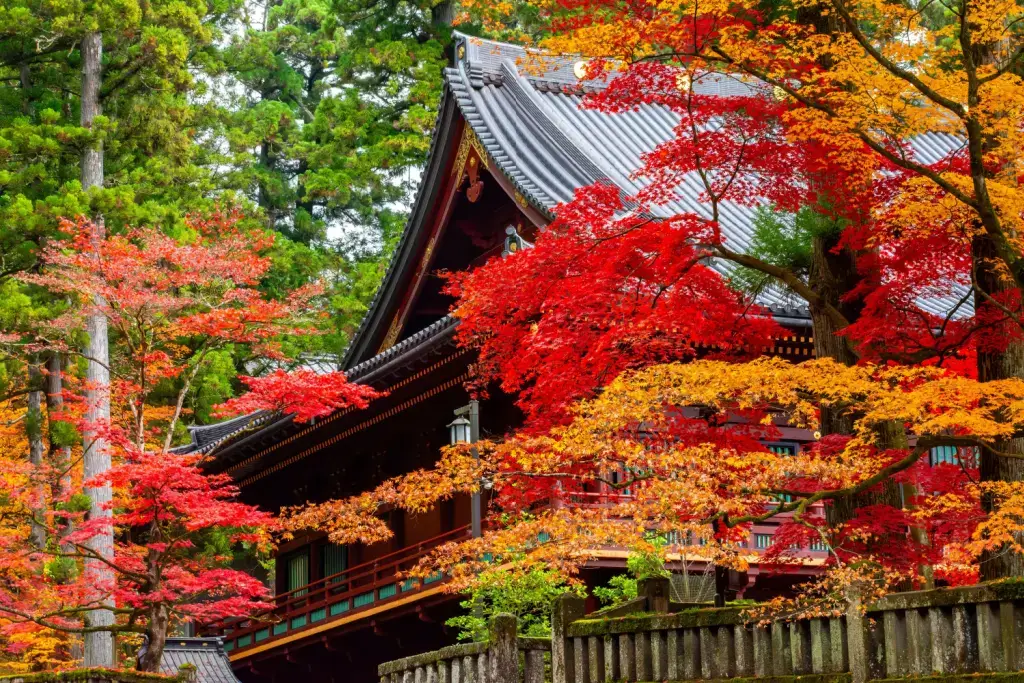
Japan’s autumn foliage season is often just as beautiful as spring, with a different colour palette.
What to Expect in Autumn
- Autumn foliage (koyo) – vivid reds, oranges, and yellows across parks, temples, and mountains, usually peaking in November across most regions.
- Cooler, crisp weather – comfortable for full days of sightseeing without the summer heat.
- Fewer crowds than spring – autumn tends to be a little quieter, though still popular.
- Harvest season food – chestnuts, sweet potatoes, and mushrooms bring another window into Japanese culture.
Who Does Autumn Suit Best?
Autumn suits travellers who want stunning scenery without quite the same crowd levels as spring, plus a chance to enjoy seasonal food and comfortable walking weather. If that sounds like your kind of trip, our 7-Day Autumn Golden Route Tour follows the colour as it turns.
Winter in Japan (December to February)
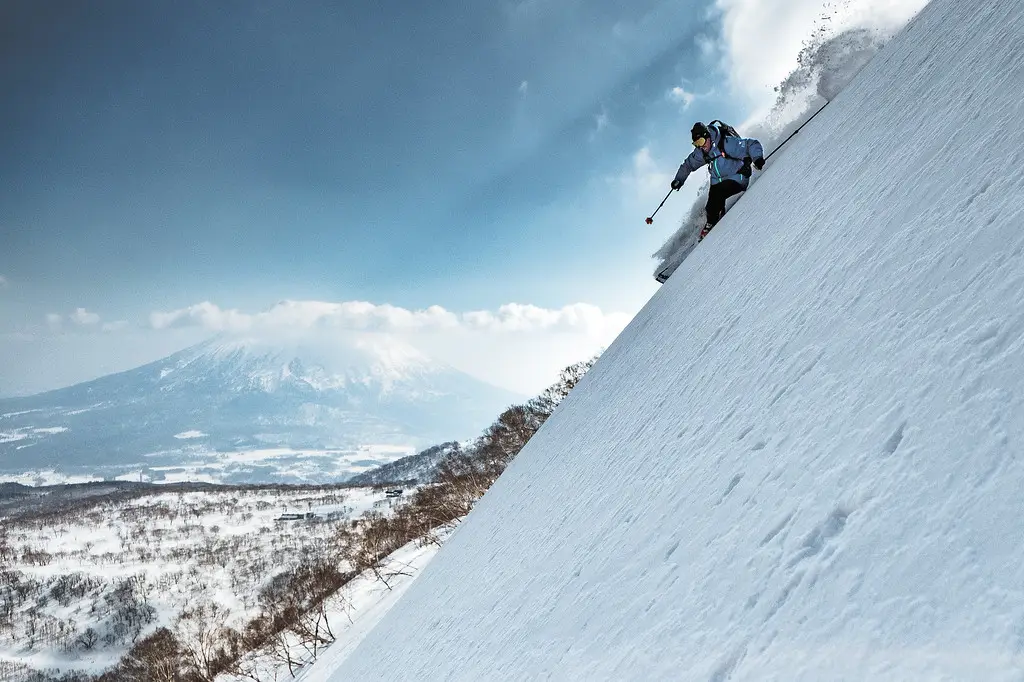
Winter turns Japan into a completely different destination, especially if snow sports are part of your plan. Wondering when to visit Japan for skiing? This is your season.
What to Expect in Winter
- Snow and skiing – Japan is famous for its light, powdery snow, especially in the Japanese Alps and northern regions like Niseko and Hakuba.
- Cold temperatures – expect cold days and colder nights, particularly in the mountains.
- Fewer tourists in cultural cities – Tokyo, Kyoto, and Osaka are quieter than in spring or autumn.
- Cosy seasonal experiences – hot springs (onsen), winter illuminations, and warming comfort food.
- The Sapporo Snow Festival – held every February, this world-famous event features huge snow and ice sculptures and is a highlight for winter visitors.
Who Does Winter Suit Best?
Winter suits travellers who love skiing or snowboarding, want a quieter cultural experience in the cities, or simply enjoy cold-weather travel with hot springs and festive lights. For the cities and culture, take a look at our Winter Golden Route Tour. For the slopes, our 9-Day Private Ski Tour heads straight for the best powder. Travelling over the holidays? Read 5 Surprising Facts About Christmas & New Year in Japan.
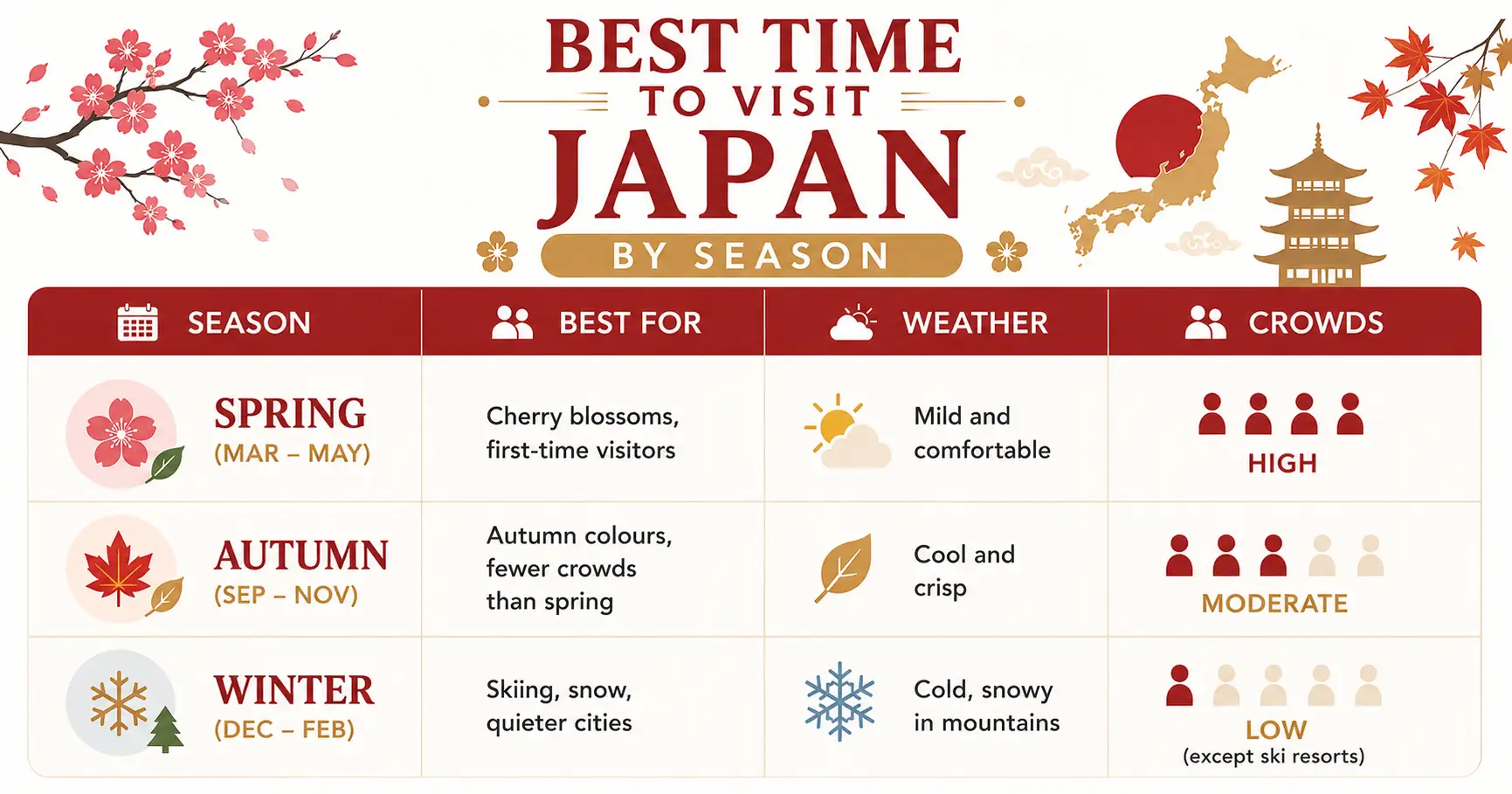
Quick Comparison Table
| Season | Best for | Weather | Crowds |
|---|---|---|---|
| Spring (Mar–May) | Cherry blossoms, first-time visitors | Mild and comfortable | High |
| Autumn (Sep–Nov) | Autumn colours, fewer crowds than spring | Cool and crisp | Moderate |
| Winter (Dec–Feb) | Skiing, snow, quieter cities | Cold, snowy in mountains | Low (except ski resorts) |
What About Summer?
Summer (June to August) brings hot, humid weather and Japan’s rainy season in June, along with lively summer festivals and fireworks. It’s a less common time for our tours, since the heat can make full days of sightseeing more tiring. Still worth knowing about if festivals are your priority.
How Do You Choose the Right Season?
Ask yourself a few simple questions:
- Want to see cherry blossoms or autumn leaves? Choose spring or autumn.
- Want to ski or snowboard? Choose winter, and look at the Japanese Alps or Hokkaido.
- Prefer smaller crowds? Choose autumn or winter over spring.
- Want the most comfortable walking weather? Spring and autumn are both excellent.
- Travelling around the school holidays? Book well ahead, since these dates often overlap with Japan’s busiest travel seasons.
There’s no single best season for everyone. The right time to travel to Japan depends on what experience matters most to you.
Plan Ahead, Especially for Peak Seasons
Spring and autumn are Japan’s busiest tourist seasons, so flights, hotels, and popular attractions book out early, especially around school holidays and national holidays in Australia and Japan. With visitor numbers at record highs, booking a private tour well in advance is the safest way to secure your preferred dates.
Our team keeps a close eye on seasonal timing each year to help build itineraries around the best possible weeks for blossoms, foliage, and snow conditions. Check our FAQ page for more on how our seasonal tours are planned and timed.
Frequently Asked Questions
When is the best time to visit Japan?
The best time to visit Japan is spring (late March to April) for cherry blossoms or autumn (October to November) for autumn foliage. Both offer mild weather and beautiful scenery. Winter suits skiers and travellers who want quieter cities, while summer works best if festivals are your priority.
What is the best month to visit Japan for cherry blossoms?
Late March to early April is usually the best window for cherry blossoms in central Japan, covering Tokyo, Kyoto, and Osaka. Full bloom lasts only about a week and the exact dates shift each year, so plan your trip with some flexibility and book early.
When should I visit Japan for skiing?
Visit Japan for skiing between December and February, with January and February bringing the deepest, driest powder. Niseko and Hakuba in the north and the Japanese Alps are the top regions, and our 9-Day Private Ski Tour heads to the best of them.
What is the least crowded time to visit Japan?
Winter (December to February) is the least crowded time to visit Japan’s cultural cities like Tokyo and Kyoto, though ski resorts stay busy. Autumn is quieter than spring while still offering lovely weather and scenery, making it a good middle ground for smaller crowds.
Is summer a good time to visit Japan?
Summer (June to August) can be a good time if you love festivals and fireworks, but the heat, humidity, and June rainy season make full days of sightseeing tiring. Spring and autumn are more comfortable for most travellers wanting to be out exploring.
Ready to Choose Your Season?
Whichever season suits you best, we’ve built a private group tour around it. Browse our upcoming trips or explore our private charter tours to find the right fit and start planning your trip to Japan. For help deciding between seasons, get in touch with our team. We’re happy to talk you through what each of Japan’s travel seasons is really like.