The top things to do in Kyoto are Fushimi Inari Taisha, Kinkaku-ji (the Golden Pavilion), the Arashiyama Bamboo Grove, Kiyomizu-dera, the Gion district, and Nijo Castle. Together they cover Kyoto’s best temples, shrines, and historic streets, and most sit within a short bus or train ride of Kyoto Station.
Kyoto was Japan’s capital city for over 1,000 years, before Tokyo took over in 1868. That long history is still everywhere you look, from quiet wooden temples to bright red shrine gates winding up a mountainside. Kyoto is home to more than 1,600 Buddhist temples and 400 Shinto shrines, according to Japan Guide’s Kyoto travel resource, so picking what to see can feel overwhelming.
This guide breaks down the top things to do in Kyoto, when to visit, and how to get around, so you can plan your trip without the guesswork. Whether you’re building your own Kyoto itinerary or just want a shortlist of the best temples and shrines, this list is a solid starting point. Prefer to skip the planning altogether? Our private charter tours include Kyoto as part of a wider Japan itinerary, with a private coach and guide handling the details for you.
Fushimi Inari Taisha
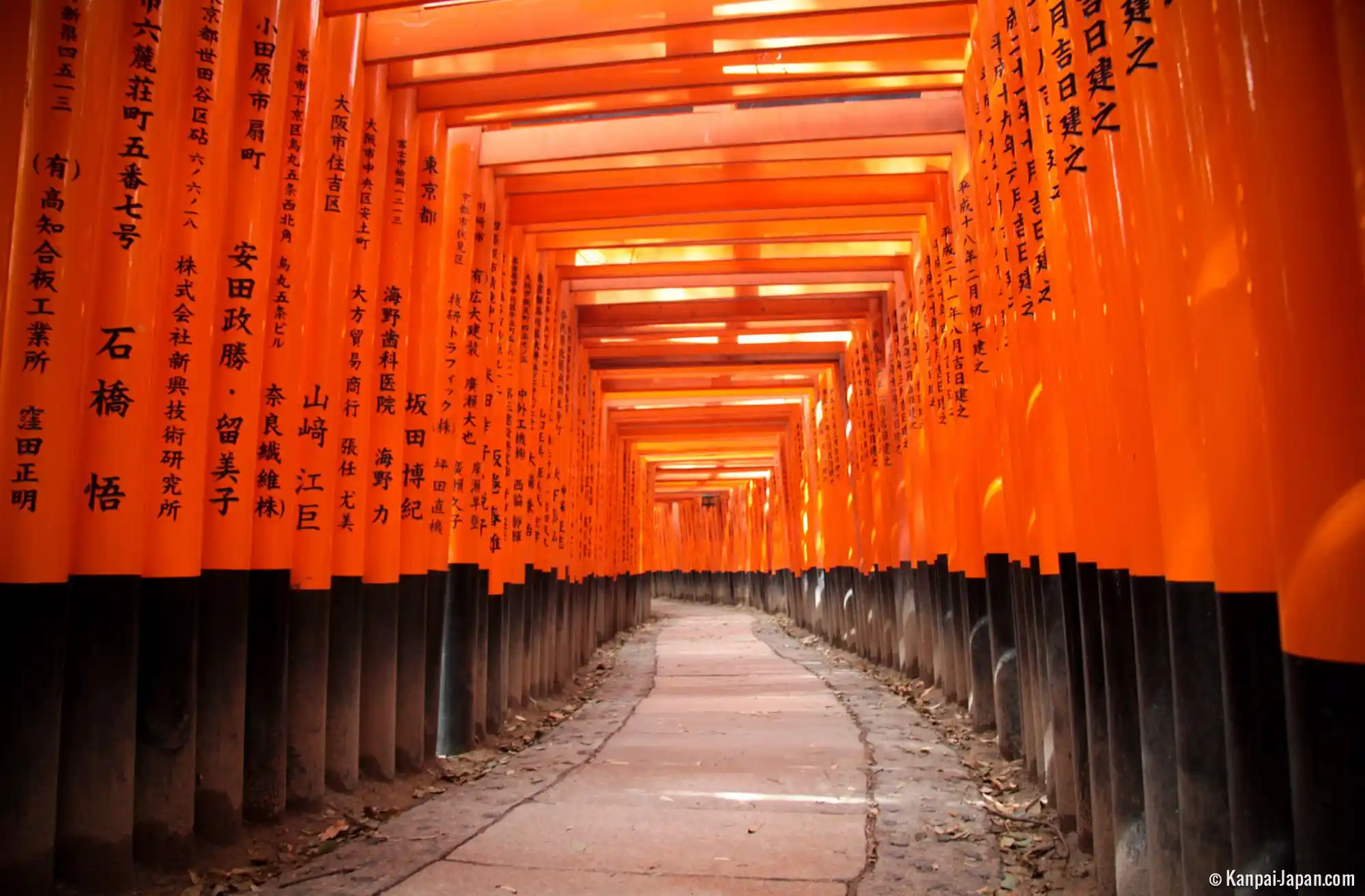
Fushimi Inari Taisha is Kyoto’s famous shrine of a thousand vermilion torii gates, which climb the wooded slope of Mount Inari in tunnels of bright orange. Few sights in Japan are as instantly recognisable.
The shrine is free to enter and open 24 hours a day, and it sits just five minutes from Kyoto Station on the JR Nara Line, with JR Inari Station right across from the entrance. The full walk to the top and back takes around two to three hours, but even a short stroll through the lower gates gives you a real sense of the place. Mornings are much quieter than the middle of the day, worth remembering if you’d like fewer crowds in your photos.
Kinkaku-ji (The Golden Pavilion)
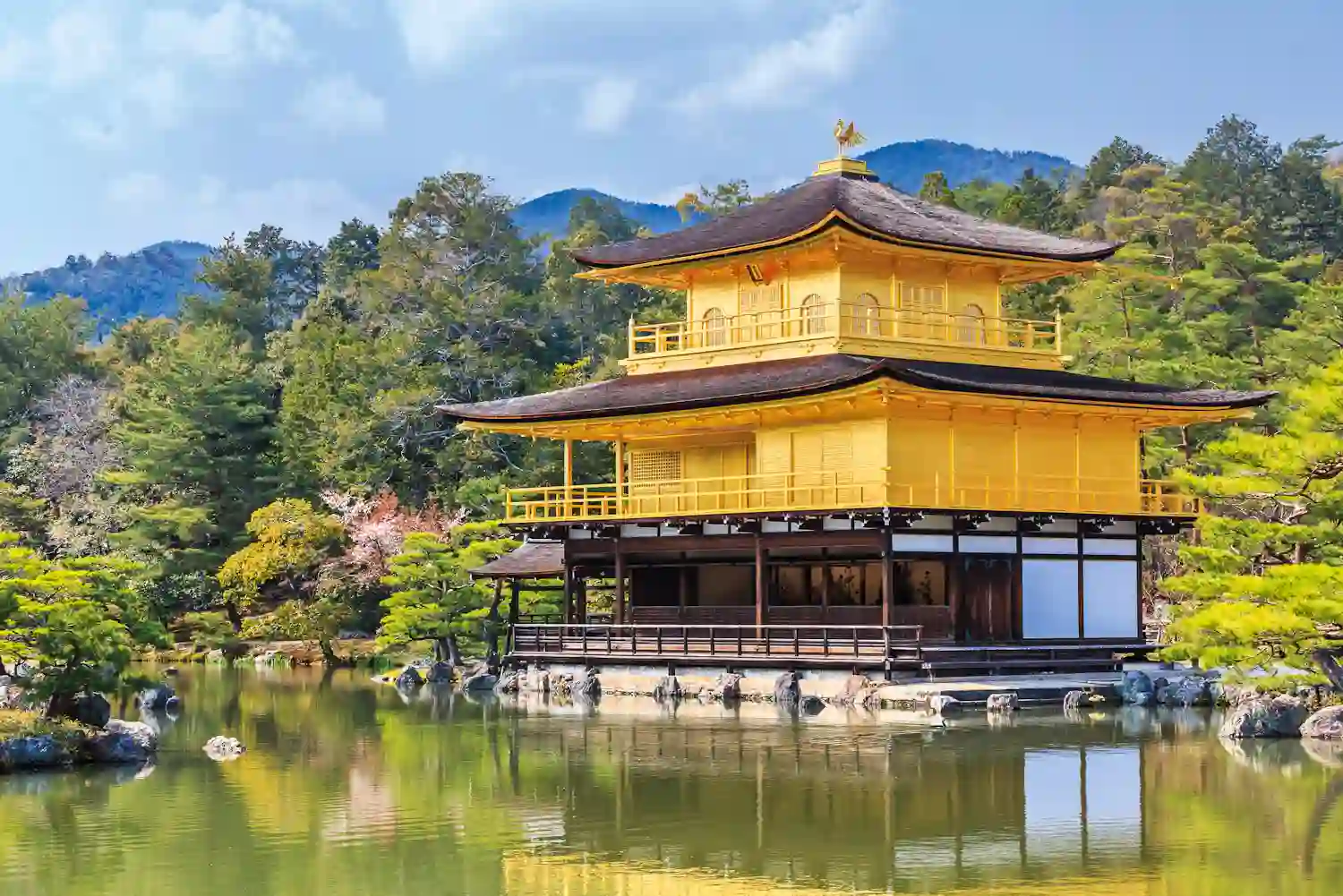
Kinkaku-ji is one of Japan’s most photographed buildings, and it’s easy to see why. The top two floors of this Zen temple are covered in real gold leaf, and the whole building reflects perfectly in the pond in front of it.
Entry costs 500 yen, and the site gets busy from mid-morning onwards. Most visitors only need 45 to 60 minutes here, since the main experience is walking the circular garden path and taking in the view from a few different angles.
Arashiyama Bamboo Grove
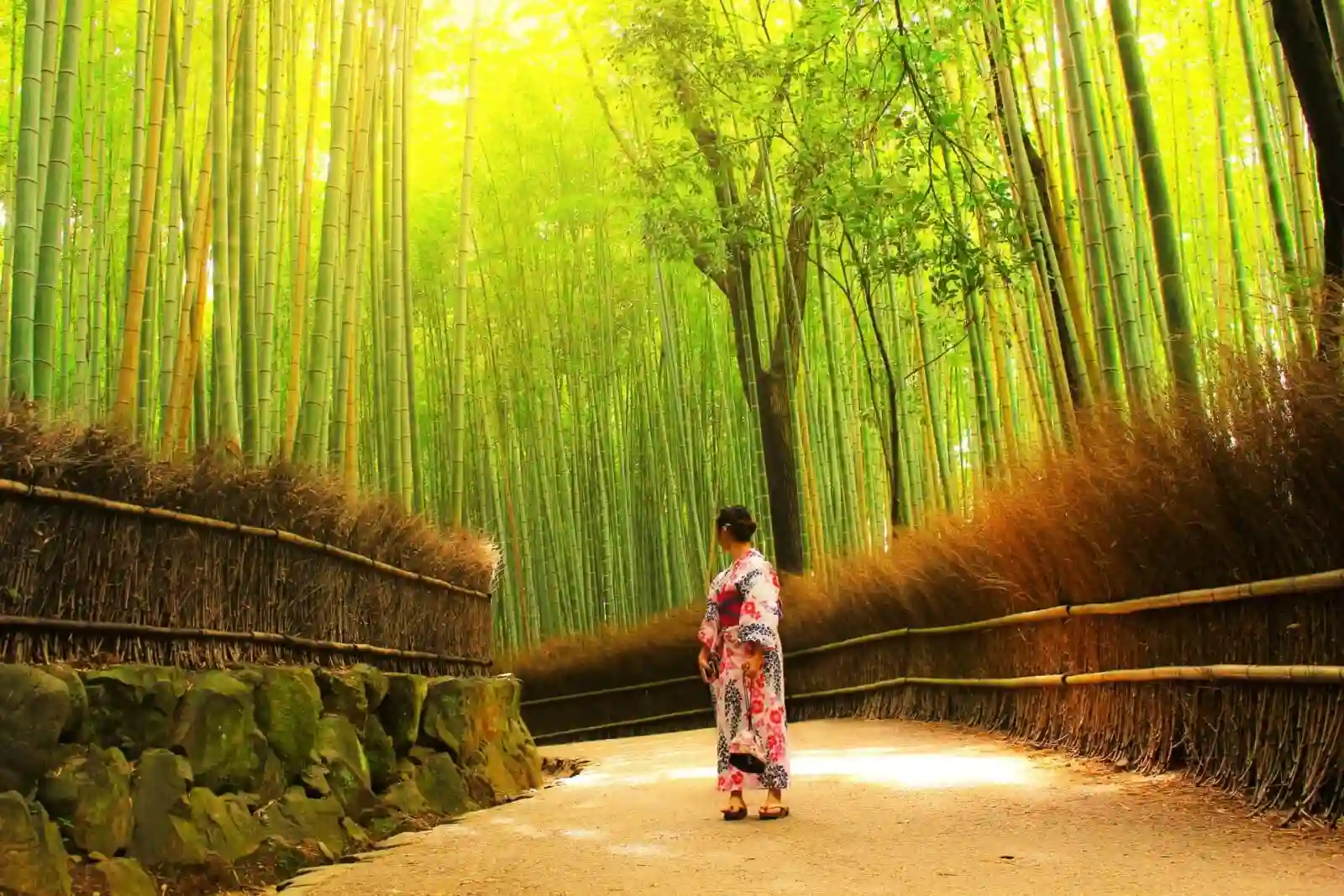
Arashiyama sits on the western edge of Kyoto, and its bamboo grove is one of the most recognisable sights in the city. Tall bamboo stalks rise up on both sides of a narrow path, and the light filtering through the leaves creates a completely different atmosphere to the temples elsewhere in Kyoto.
The bamboo grove itself is free and open all day. Nearby, Tenryu-ji Temple has a beautiful garden worth pairing with your visit for 500 yen entry. The area also has the Togetsukyo Bridge and a small scenic railway, so it’s worth allowing a half-day here rather than rushing through.
Kiyomizu-dera
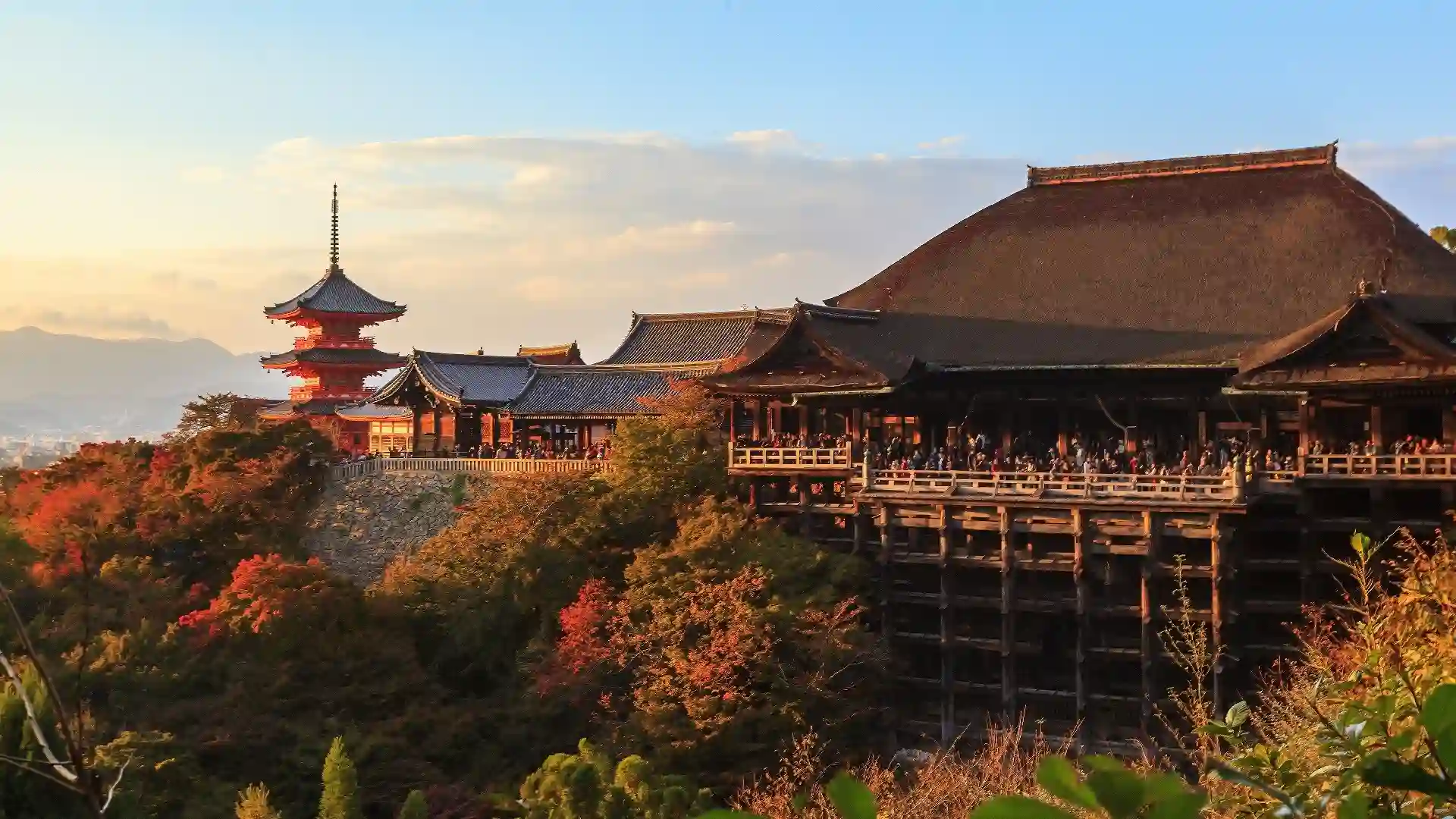
Kiyomizu-dera sits on a hillside in the Higashiyama district, and its wooden stage extends out over the slope, giving one of the best views over Kyoto’s old rooftops. Many visitors walk straight to the stage, take a photo, and leave within 20 minutes. Worth slowing down here.
Entry costs 500 yen. Below the main hall, the Otowa Waterfall lets visitors drink from three separate streams, each said to bring a different kind of luck. Tradition says you shouldn’t drink from all three at once.
Gion District
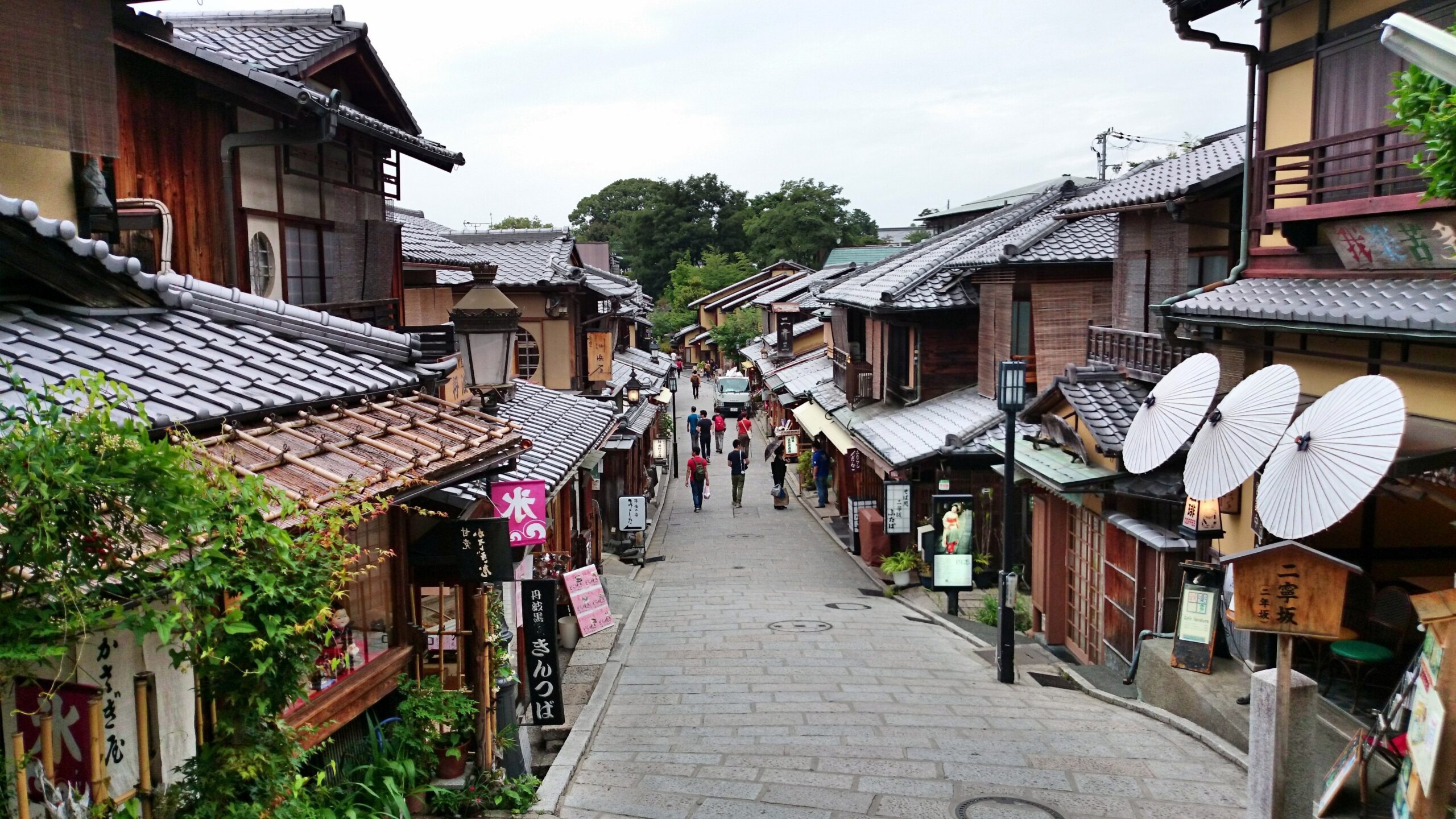
Gion is Kyoto’s most famous historic district and its best-known geisha quarter, known for its wooden houses, narrow stone lanes, tea houses, and paper lanterns. It’s the area most associated with geisha culture, and it’s free to simply walk through.
The best time to visit is early morning or early evening, when the lanterns glow and the lanes feel their most atmospheric. Some visitors rent a kimono for the day to explore the streets in traditional Japanese dress.
Nijo Castle
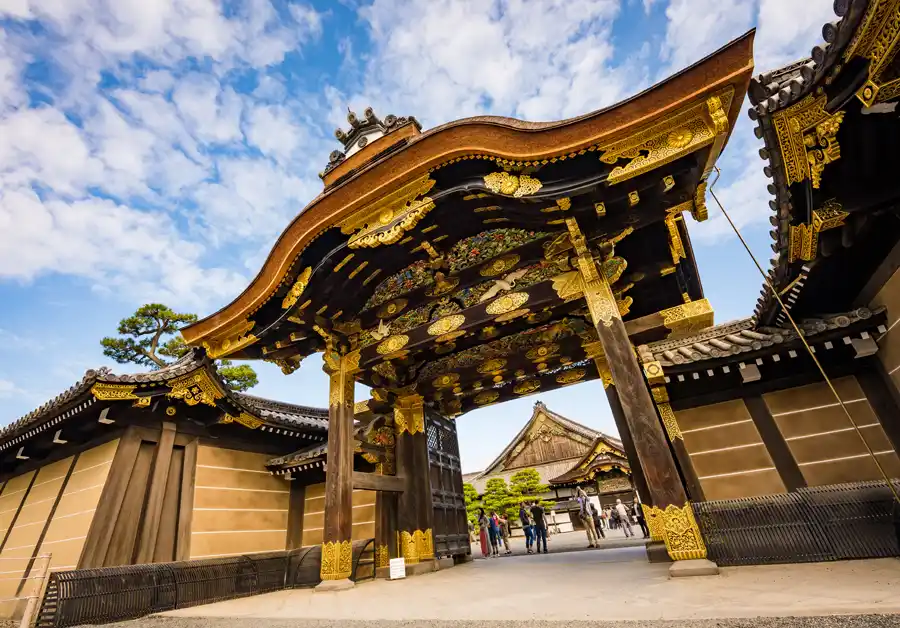
Nijo Castle was the Kyoto residence of the Tokugawa shoguns, and its palace, gardens, and defensive walls show how Japan’s rulers lived and protected themselves. One unusual detail: the palace floors are built to squeak when walked on, nicknamed “nightingale floors.” It wasn’t a design flaw. It was an early warning system to alert guards to intruders.
Want more history nearby? The Kyoto Imperial Palace is a short trip from Nijo Castle and offers a quieter, spacious look at the former residence of Japan’s imperial family, with its own gardens and gates.
Nishiki Market and the Philosopher’s Path
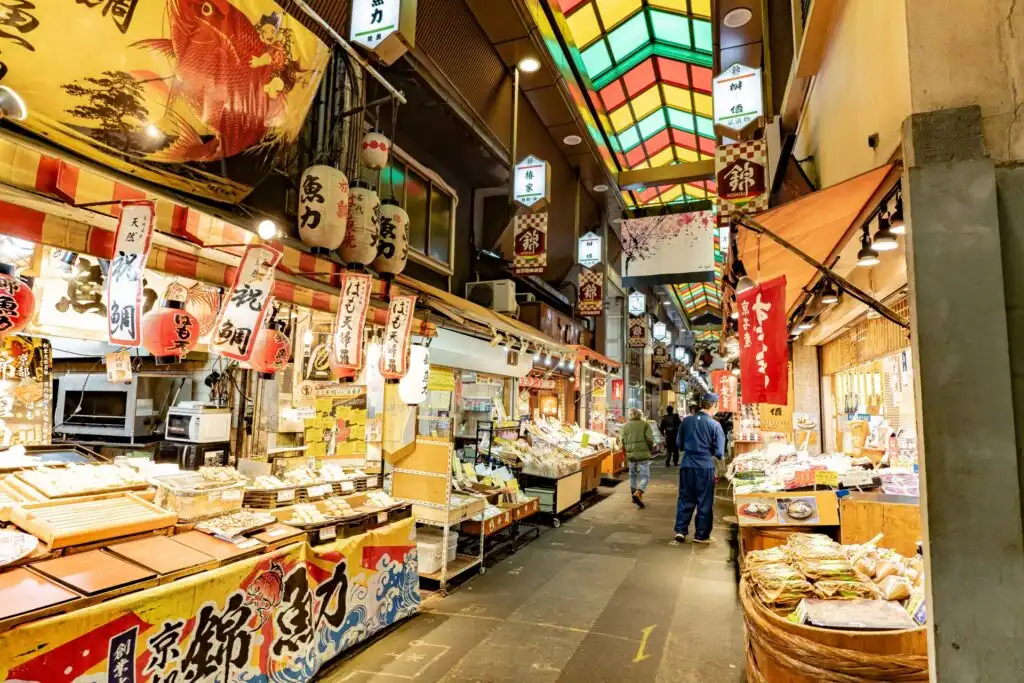
Nishiki Market brings the local food. A long, covered arcade in central Kyoto, it’s packed with small stalls selling everything from fresh seafood to Japanese sweets and green tea.
For something quieter, the Philosopher’s Path is a peaceful, tree-lined walking trail that follows a canal between the Silver Pavilion (Ginkaku-ji) and the Nanzen-ji temple area. It’s especially popular during cherry blossom season, but pleasant to walk any time of year.
Quick Reference: Kyoto’s Top Sights
| Sight | Entry | Time Needed | Area |
|---|---|---|---|
| Fushimi Inari Taisha | Free | 1–3 hours | South Kyoto |
| Kinkaku-ji | 500 yen | 45–60 mins | North-west Kyoto |
| Arashiyama Bamboo Grove | Free | Half-day | West Kyoto |
| Kiyomizu-dera | 500 yen | 1 hour | Higashiyama |
| Gion District | Free | 1–2 hours | Central-east Kyoto |
| Nijo Castle | Paid entry | 1–1.5 hours | Central Kyoto |
How Do You Get Around with the Kyoto Travel Guide?
Kyoto’s main sights are spread across different parts of the city, so getting between them takes a bit of planning. Locals and visitors mostly rely on:
- City buses, including the tourist loop routes that connect Kyoto Station with Kiyomizu-dera, Gion, and Kinkaku-ji.
- A small subway network with two lines.
- JR trains, the fastest way to reach Arashiyama and Fushimi Inari from Kyoto Station.
A Kyoto City Bus & Subway 1-Day Pass costs 1,100 yen and pays for itself after around five rides, which most full sightseeing days will hit easily. Google Maps is generally reliable for working out bus and train routes between sights, though it can be fiddly to check live and sometimes lags behind timetable changes during busy seasons.
Working out routes, tickets, and timing between all these sights can eat into your actual sightseeing time. This is exactly the kind of logistics our 16-day Japan tour and 7-day spring season tour are built to remove, with a private coach and guide taking care of the travel between sights so your group can focus on actually seeing them.
How Many Days Do You Need in Kyoto?
Most first-time visitors should spend at least 3 to 4 nights in Kyoto to see the main sights without feeling rushed. Two nights is workable if your schedule is tight, but you’ll likely need to skip a few stops. Five or more nights lets you explore further afield, into quieter temples and neighbourhoods beyond the main list above.
Kyoto often sits as just one stop on a wider Japan trip. Check our upcoming Japan trips to see how it fits into a longer itinerary alongside cities like Tokyo and Osaka.
Frequently Asked Questions
What are the top things to do in Kyoto?
The top things to do in Kyoto are Fushimi Inari Taisha, Kinkaku-ji (the Golden Pavilion), the Arashiyama Bamboo Grove, Kiyomizu-dera Temple, the Gion district, and Nijo Castle. Together they cover the city’s best temples, shrines, and historic streets in a few days of sightseeing.
How many days in Kyoto do you need?
Most first-time visitors need at least 3 to 4 nights in Kyoto to see the main sights without rushing. The best time to visit also affects how long you’ll want, since cherry blossom and autumn colour seasons reward a slower pace if your schedule allows.
What is the best time of year to visit Kyoto?
Spring (cherry blossom season) and autumn (maple leaf season) are Kyoto’s most popular times to visit, known for spectacular colour at temples and gardens. Summer and winter are quieter, with winter offering a peaceful, uncrowded look at sights like Kinkaku-ji in the snow.
Is Fushimi Inari free to visit?
Yes. Fushimi Inari Taisha is free to enter and open 24 hours a day, with no booking required. The closest station is JR Inari Station, two stops and about five minutes from Kyoto Station on the JR Nara Line.
How do you get around Kyoto?
Most visitors use a mix of city buses, a small subway network, and JR trains, often with a 1-Day Bus & Subway Pass. Many travellers find a private coach and guide far simpler than working out routes and tickets between each sight.
Is Kyoto worth visiting as a day trip from Osaka or Tokyo?
Kyoto is close enough to Osaka for an easy day trip, but a day trip from Tokyo leaves very little time for sightseeing once travel is factored in. Staying at least one or two nights is strongly recommended to properly experience the city, including its evening atmosphere in areas like Gion. See how Kyoto fits into our Top 5 Must-Visit Destinations on a Private Japan Charter Tour.
Let Us Handle the Details
Kyoto rewards travellers who take their time, but working out routes, tickets, and timing between temples can eat into the very trip you’re trying to enjoy. Our private charter tours remove exactly that stress, with a dedicated English-speaking guide and private coach taking your group between Kyoto’s top sights in comfort.
Read more Kyoto and Japan travel tips on our Japan travel guide blogs, check our FAQ for common questions about our tours, or get in touch with our team to start planning your trip. For general Japan travel information, the Japan National Tourism Organisation is also a helpful official resource.