Christmas and New Year are two of the most celebrated holidays in the world, but Japan has its own special way of enjoying this season. If you grew up with classic Western traditions like Christmas stockings, big family dinners, or New Year fireworks, Japan’s version may feel both familiar and completely different at the same time.
The mix of old customs, modern habits, local culture, and a touch of Japanese creativity makes the holiday season one of the most interesting times to visit the country.
In this blog, you will discover five surprising facts about how Christmas and New Year are celebrated in Japan. These facts will help you understand what makes the season so unique, what to expect if you travel during this time, and how you can enjoy the celebrations like a local.
Japan turns the holiday period into something warm, joyful, and deeply connected to family and tradition. And even though Japan does not follow some Western customs, the country has created its own ways of celebrating that feel just as special.
Let’s take a closer look.
1. Christmas in Japan Is Not a Religious Holiday: It’s About Joy, Lights, and Love
Christmas in many Western countries is closely tied to religion. It is seen as a Christian holiday, centred on faith, family gatherings, and long-standing customs. In Japan, however, Christmas has a completely different meaning.
Only a small percentage of Japan’s population is Christian, so the day is not treated as a religious festival. Instead, Christmas in Japan is more like a cheerful winter celebration filled with lights, decorations, music, and fun outings.
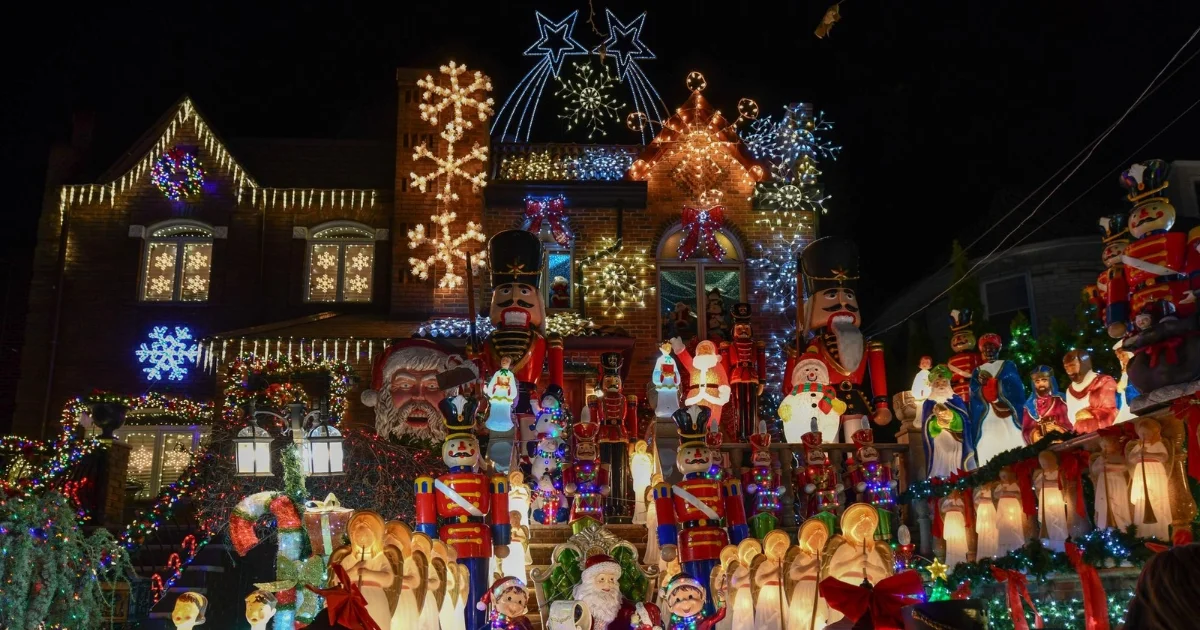
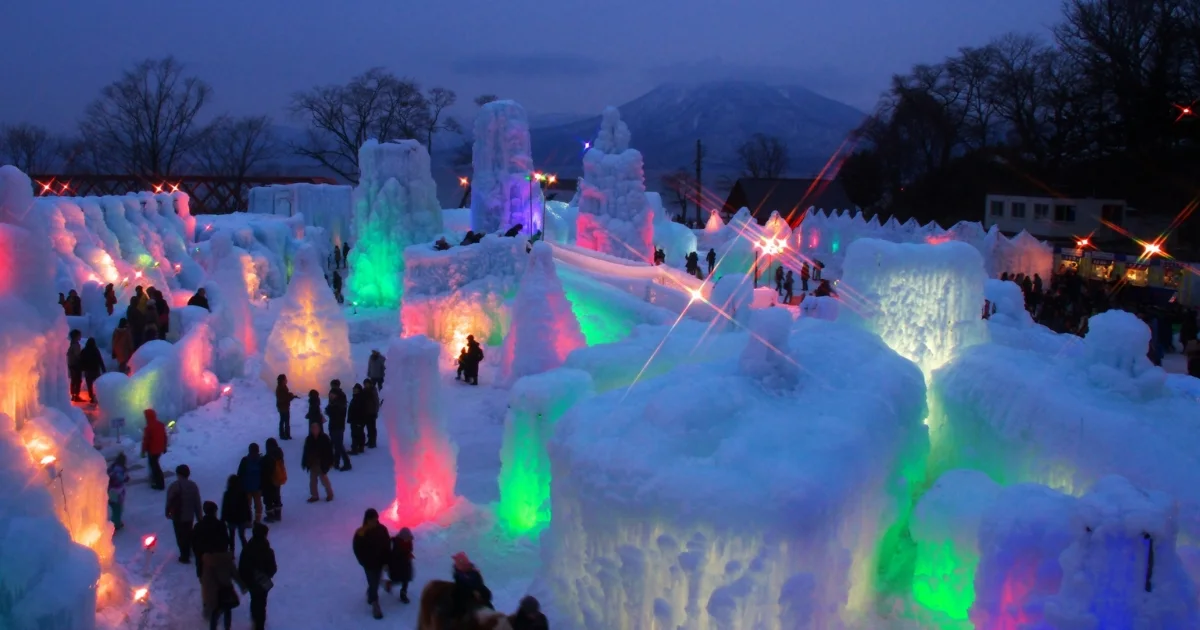
Cities across Japan glow with bright illumination displays. Some parks, shopping centres, and landmarks light up thousands of LED bulbs, creating magical scenes that attract visitors from all over the country.
Families, couples, and groups of friends enjoy walking through the sparkling tunnels, taking photos, and sharing warm drinks from food stalls. This love for winter lights shows how Japan has taken the idea of Christmas and turned it into a season of beauty and excitement.
Another surprising point is the romantic nature of Christmas Eve. In Japan, Christmas Eve feels more like Valentine’s Day. Couples go out for dinner, exchange small gifts, and spend time together. Restaurants fill up with candlelit dinners, Christmas-themed desserts, and elegant menus designed for two. This romantic twist makes Christmas a special time for dating, proposals, and celebrations between partners.
Families also join the fun, but the day is not a major family holiday like it is in the West. Children enjoy presents, festive decorations, and Christmas cakes, but the real family-focused holiday in Japan is the New Year. Christmas here is light-hearted, colourful, and joyful, a chance to celebrate without the pressure of deep traditions.
2. The Most Popular Christmas Dinner in Japan Is… Fried Chicken
This is one of the most surprising facts for first-time visitors: eating fried chicken is a major Christmas tradition in Japan. Not just any fried chicken, specifically, a Christmas bucket from KFC. This may sound unusual, but the story behind it is quite interesting.
In the 1970s, KFC in Japan launched a successful marketing campaign called “Kentucky for Christmas”. The company promoted the idea that a bucket of fried chicken could be a simple and tasty option for a Christmas meal. Japan did not have a strong tradition of eating turkey or roast dishes, so the idea caught on quickly. Today, Japanese people order Christmas chicken weeks in advance to avoid long queues or sold-out stores.
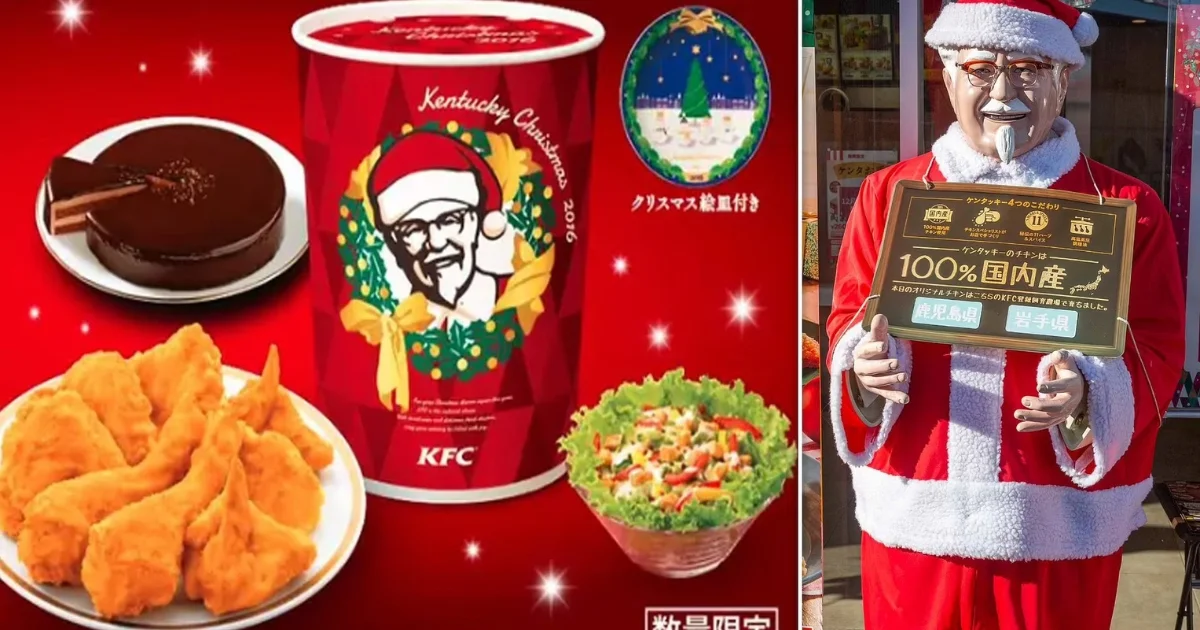
Families gather around a table with fried chicken, salads, side dishes, and sometimes a Christmas cake. Even though it started as a clever advertisement, the tradition grew and became a fun part of Japanese culture. It shows how Japan can take a Western idea and transform it into something charming and unique.
Another part of the Japanese Christmas dinner is the Christmas cake. Unlike heavy fruit cakes found in some Western countries, Japanese Christmas cakes are light and fluffy. The most popular style is a white sponge cake topped with whipped cream and fresh strawberries. The red and white colours symbolise happiness and purity, making the cake a joyful treat for families and friends.
The combination of fried chicken and strawberry cake may seem unusual, but together they create a warm, cheerful, and easily shared Christmas meal.
3. New Year in Japan Is the Most Important Holiday: Filled with Deep Traditions
While Christmas in Japan is fun and light-hearted, the New Year is the complete opposite. It is the biggest and most meaningful holiday of the year, filled with cultural traditions that have been passed down for centuries. The Japanese New Year, known as Oshōgatsu, focuses on family, respect, and a fresh start. It is a time of reflection, gratitude, and connection.
Many families prepare their homes before New Year’s Day by cleaning every room. This is called ōsōji, a deep cleaning that symbolises clearing out the old year’s problems and making space for new blessings. Homes are decorated with traditional ornaments such as kadomatsu (bamboo and pine displays), shimenawa (sacred ropes), and other symbols meant to welcome good fortune.
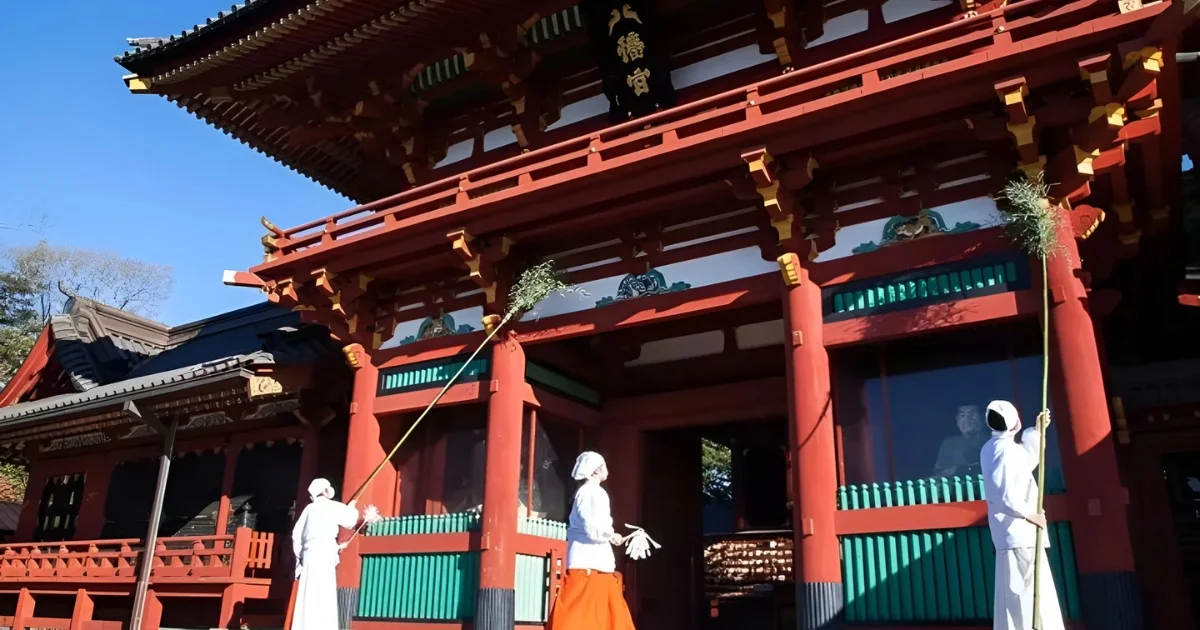
One of the most important New Year traditions is visiting a shrine or temple. This visit, called hatsumode, usually takes place between 1 and 3 January. Families line up at famous shrines across Japan to pray for health, safety, and happiness in the new year. Many shrines also offer omikuji, small paper fortunes that reveal predictions for the coming year. If the fortune is not good, people tie the paper to a special rack to leave the bad luck behind.
New Year’s Eve also has a peaceful side. Many people spend the evening watching the famous NHK New Year music show or listening to Joya no Kane, the ringing of temple bells 108 times. This ritual represents the cleansing of human worries.
Compared to the loud fireworks and parties found in other countries, the New Year in Japan feels calm, thoughtful, and beautifully traditional.
4. New Year Foods Have Special Meaning: Every Dish Symbolises Good Fortune
The Japanese New Year is not complete without traditional food. These meals are more than just delicious; each dish carries a meaning connected to health, happiness, long life, or good fortune.
The most well-known New Year meal is osechi ryori, a beautifully packed set of dishes arranged in layered boxes. Each food has a symbolic purpose. For example, black soybeans represent health and strength, rolled omelettes symbolise learning, and fish cakes bring hopes for a bright future. The dishes are carefully prepared in advance so families can relax during the holiday without cooking every day.
Another important food is mochi, a sticky rice cake that plays a big role in New Year celebrations. Mochi is eaten in many forms: grilled mochi, mochi in soup, or sweet mochi desserts. A special dish called ozoni, a soup with mochi and vegetables, is enjoyed on New Year’s Day. Each region of Japan has its own style of ozoni, which shows how deeply local culture shapes the celebration.
A more modern New Year tradition is eating toshikoshi soba, or “year-crossing noodles”, on New Year’s Eve. The long noodles represent a long and healthy life. Eating them before midnight symbolises letting go of the difficulties of the past year and welcoming a fresh start.
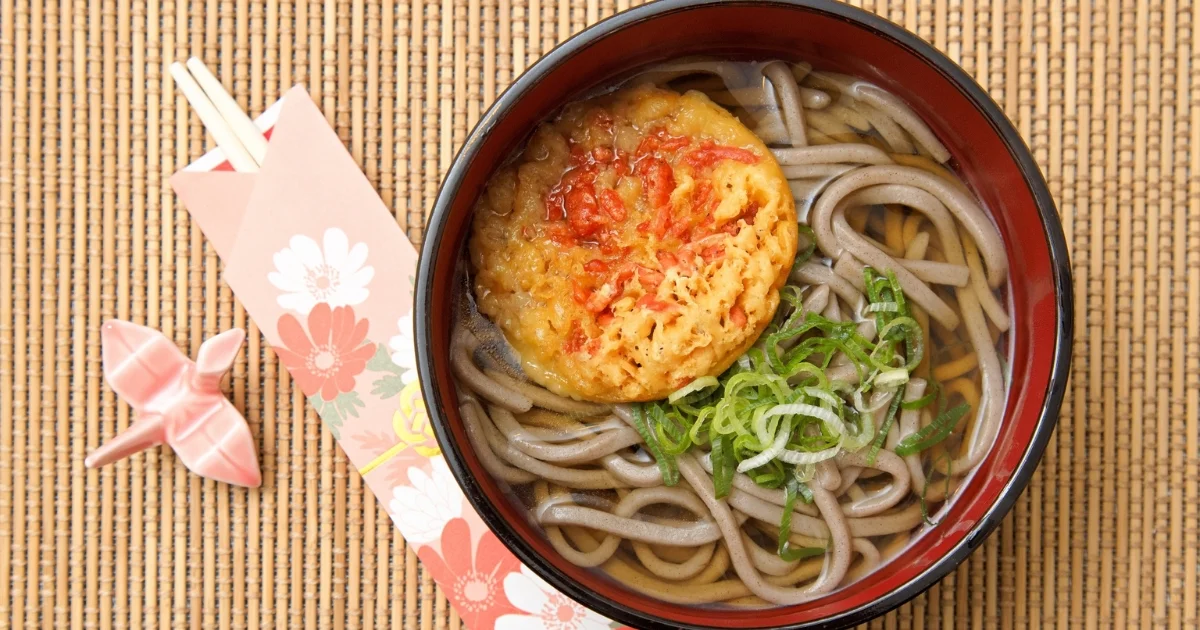
Food during the New Year is not just about taste. It is a collection of symbols, stories, and wishes for a better year. Sharing these meals with family creates a sense of comfort, connection, and gratitude, a feeling that makes the Japanese New Year truly special.
5. Japan Celebrates with Both Old Traditions and Modern Winter Magic
One of the most surprising things about spending Christmas and New Year in Japan is the balance between tradition and modern style. Japan blends ancient customs with new ideas, creating a holiday season that feels both timeless and exciting.
During Christmas, streets shine with winter illuminations, shops play holiday music, and theme parks host special events. Tokyo Disneyland and Universal Studios Japan, for example, offer Christmas parades, shows, and decorations that attract families from all over the country. Even though Christmas is not a public holiday in Japan, the festive atmosphere is strong and joyful.
The New Year brings a completely different atmosphere. Many shops close for a few days. Train stations become quieter. Families stay home, cook together, and spend time relaxing. Yet modern traditions also play a part. People send New Year postcards with colourful designs, shop for New Year lucky bags in department stores, and watch the first sunrise of the year, a custom called hatsuhinode.
This mix of old and new creates a holiday season you cannot experience anywhere else in the world. Japan keeps its traditions alive while enjoying global influences, and this unique blend is what makes the celebrations so surprising and enjoyable.
Planning a Christmas or New Year Trip to Japan
Travelling to Japan during Christmas Day and New Year can feel magical, but it helps to know what to expect. Winter is one of the busiest seasons in Japan, especially from late December to early January, which is one of the most popular times of the year for travel. Many families move across the country to visit relatives, shrines, and temples. Popular tourist spots can also get crowded, so careful planning makes the trip easier.
If you want to see winter lights, it’s a good idea to book tickets or check schedules in advance because many illumination events have special opening hours. Christmas markets, theme parks, and holiday shows can become busy, especially in the evenings and on weekends. Visiting earlier in the day or on weekdays will give you a more relaxed experience.
The New Year brings a different rhythm. Some shops close between 1 and 3 January, and transport networks get busy as people return home. Shrines and temples draw huge crowds for hatsumode, the first shrine visit of the year. If you want a quieter experience, try visiting smaller neighbourhood shrines instead of the famous ones.
During traditional New Year celebrations, families enjoy special foods. Many eat buckwheat noodles on New Year’s Eve for longevity. Watching Kohaku Uta Gassen, a famous music show broadcast on New Year’s Eve, is another popular tradition. These customs are part of Japan’s unique year holidays and make the season extra special.
Planning your meals, bookings, and transport early makes the season stress-free and enjoyable. Using a table of contents or checklist to organise your trip can help you cover everything, from Christmas Day lights and winter foods to peaceful moments during traditional New Year celebrations. With the right plan, you can enjoy the best of holiday lights, food, cultural traditions, and Japan’s festive spirit.
Frequently Asked Questions
1. Is Christmas a public holiday in Japan?
No. Christmas is not a public holiday in Japan. Schools, shops, and offices stay open. Most celebrations happen in the evening or on Christmas Eve.
2. Do Japanese people exchange gifts at Christmas?
Yes, but not in the same way as Western countries. Couples often exchange small gifts. Families may buy treats, cakes, or toys, but Christmas gift-giving is not a major tradition.
3. What should I expect on New Year’s Day in Japan?
New Year’s Day is very important. Many shops close, families stay home, and people visit shrines or temples. It is a peaceful and meaningful day focused on family and tradition.
4. Are restaurants open during the New Year period?
Some restaurants open, especially in big cities, but many small or family-run places close from 1 to 3 January. It is best to check ahead or make reservations.
5. Can tourists join New Year traditions like hatsumode?
Yes, absolutely. Tourists are welcome to visit shrines and temples. Just follow local customs, be respectful, and enjoy the experience.
6. Is winter a good time to visit Japan?
Yes. Winter lights, snow scenery, hot springs, and holiday events make it a beautiful season. Just be prepared for cold weather and busier travel dates around the New Year.
7. What clothes should I pack for Japan in December and January?
Pack warm clothing: coats, scarves, gloves, and layers. Northern areas like Hokkaido are very cold, and even cities like Tokyo and Osaka have chilly evenings.
8. Do trains and buses run normally during Christmas and the New Year?
Trains and buses run normally on Christmas, but during the New Year, there may be special schedules or large crowds. The Shinkansen often gets fully booked, so reserve seats early.
Final Thoughts
Japan’s way of celebrating Christmas and New Year may surprise you, but that is what makes it special. Christmas is bright, cheerful, and full of lights. The New Year is calm, meaningful, and connected to tradition. Together, they make winter warm, joyful, and full of charm.
If you visit Japan during this time, you will see a country full of history and creativity. You can enjoy festive meals, see beautiful Christmas lights, visit shrines, try traditional foods, and take part in customs families have followed for many years.
For a smooth and memorable trip, Japan Charter Tours offers private charter tours to show Japan’s culture, history, and natural beauty. Whether you visit famous landmarks or hidden gems, their team makes sure your trip is safe and unforgettable.